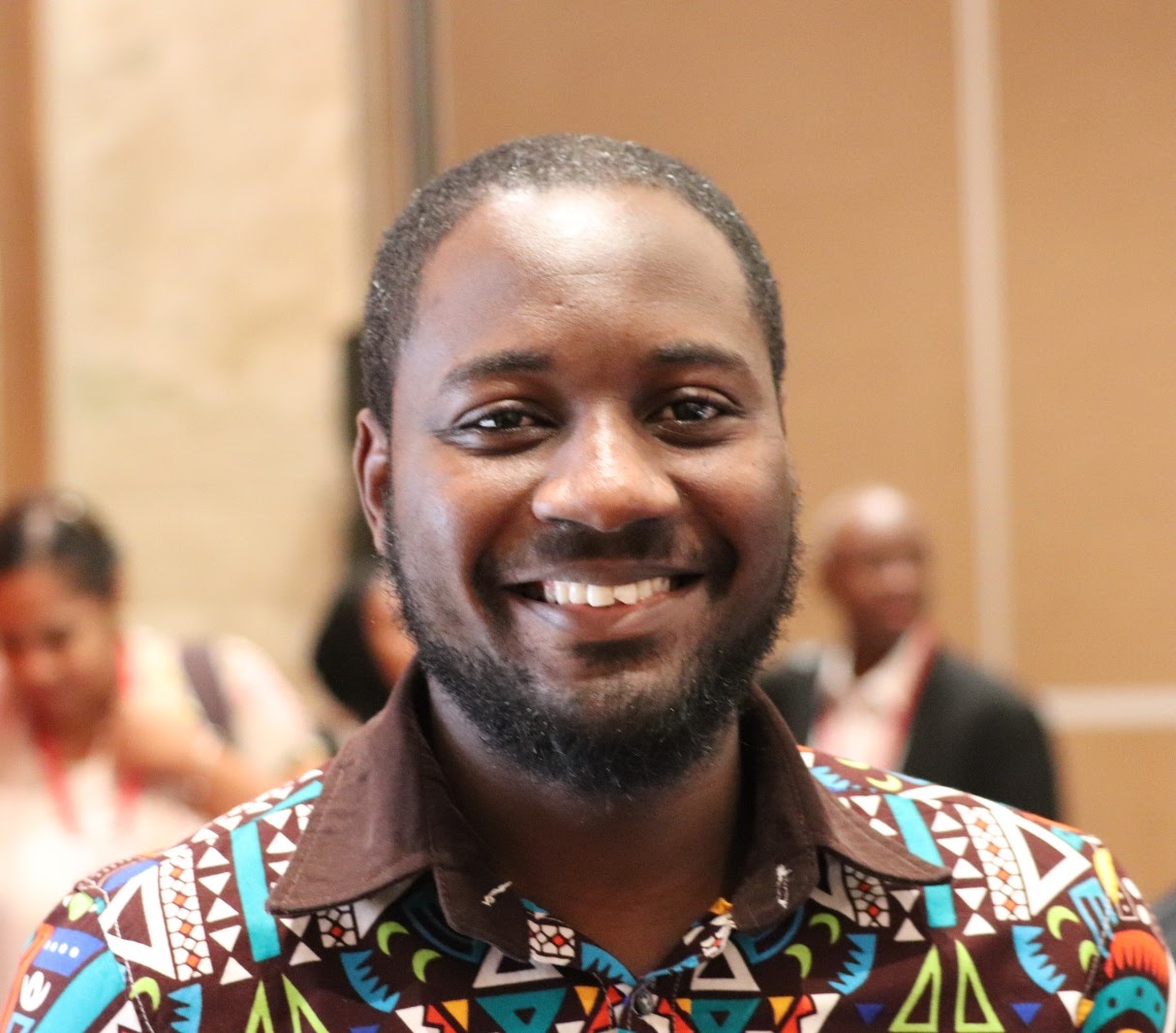
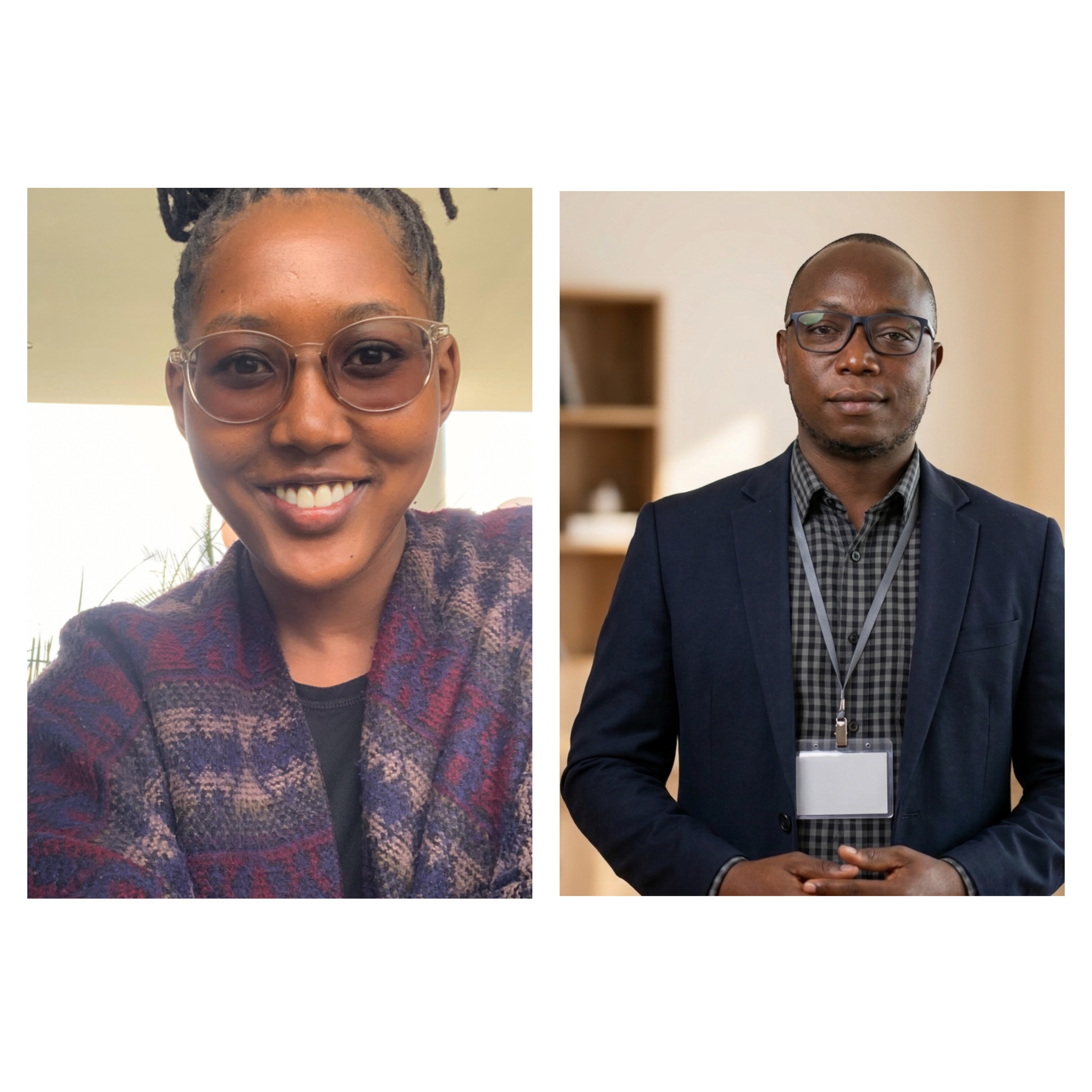
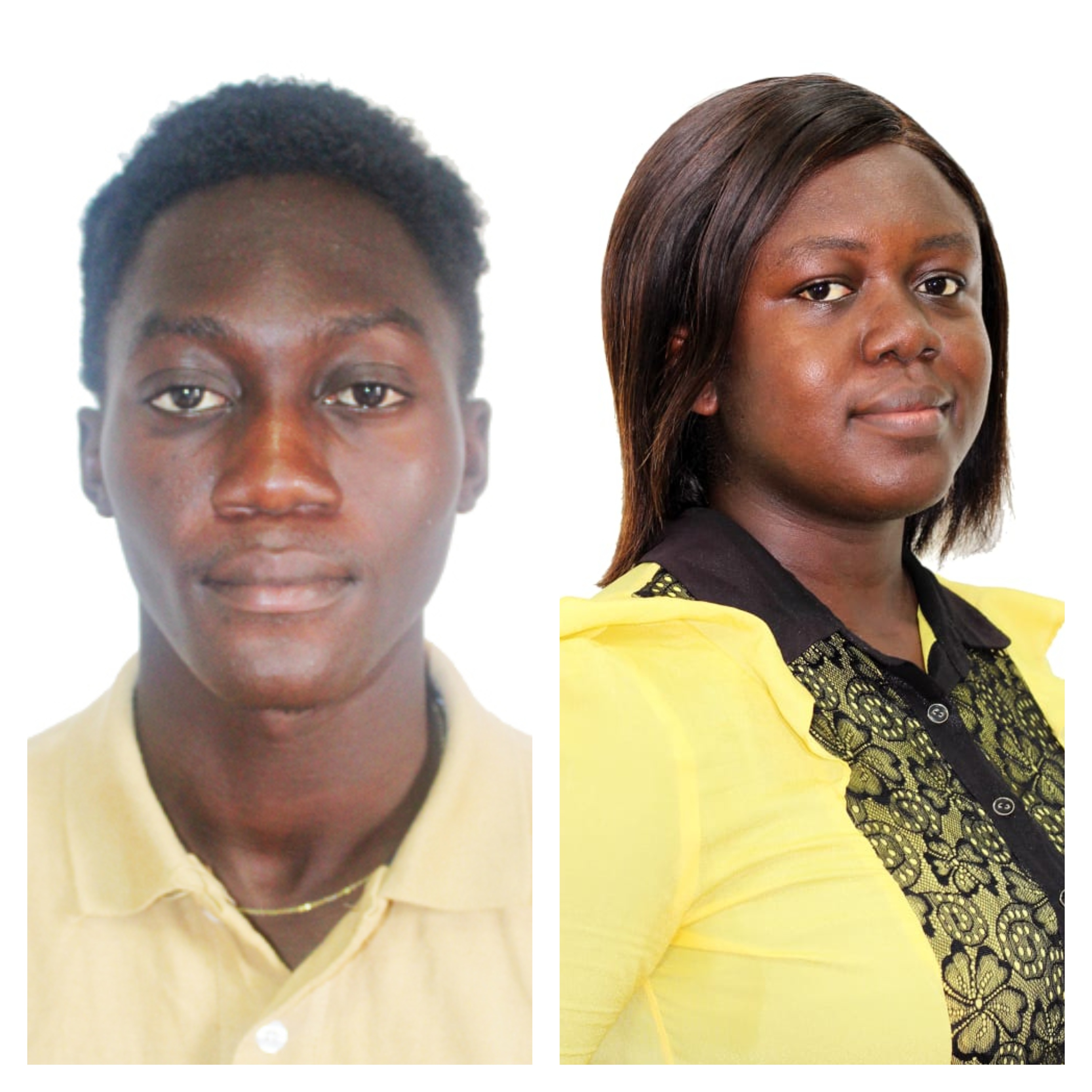
Ms Sharon Tonui & Mr Derick Imbati
UZIMA-DS Research Administration chatbot
UtiliZing health Information for Meaningful impact in East Africa through Data Science
I am a Data Scientist with five years of experience building AI and data-driven solutions across healthcare, finance, and international development. I currently work at The Aga Khan University Data Innovation Office, where I develop LLM-powered decision support tools. Currently working on the DSI-A chatbot, designed to help research administrators and principal investigators retrieve NIH grant guidance quickly and reliably. The system indexes content from across the NIH grants ecosystem. Rather than searching multiple sites and interpreting dense policy language manually, users ask a question and receive a sourced, auditable answer.
Lead Data Engineer | UZIMA‑DS Project As Lead Data Engineer for the UZIMA‑DS project, I architect and manage the cloud infrastructure that powers one of Africa's most ambitious longitudinal health data initiatives. My work is at the intersection of engineering and science-designing pipelines that transform raw, complex healthcare datasets into reliable, accessible resources for researchers. I focus on building resilient systems that balance performance with sustainability. This includes optimizing costs across Microsoft Fabric and GCP, while ensuring scalability for the growing demands of UZIMA's data science mission. Beyond infrastructure, I lead a cross‑functional team of engineers and scientists within the CDIO group, coordinating updates, refining workflows, and embedding security and governance into every layer of our environment. By bridging technical architecture with research needs, I help deliver high‑quality data products that directly support UZIMA's vision: harnessing data science to improve health outcomes across diverse populations.
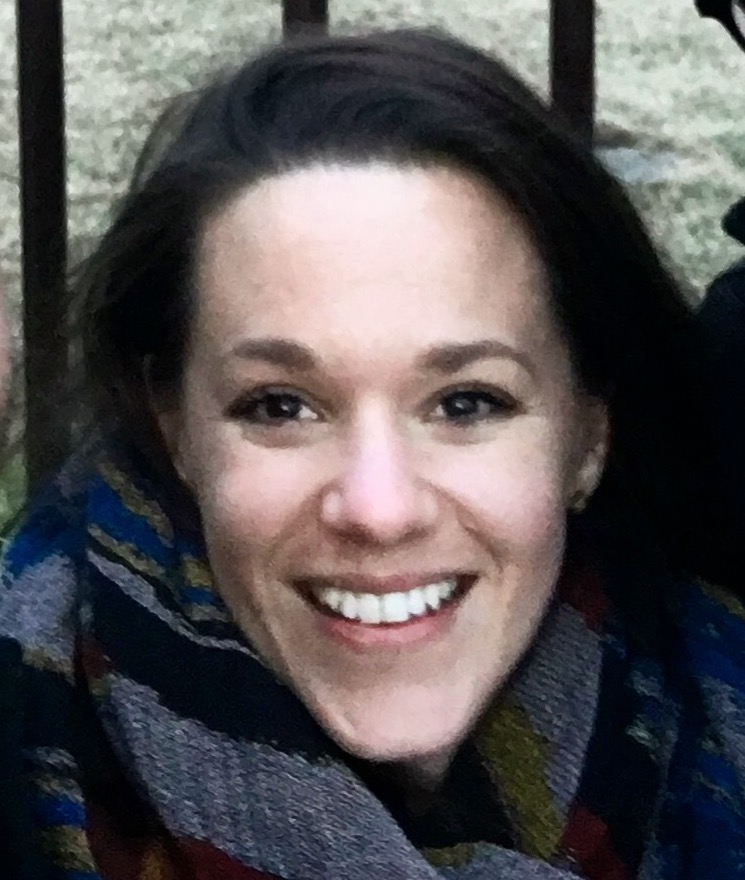
Ms Christina Riley
The Reveal Platform
Geo-enabled detect and respond system for antimalarial resistance in Ghana
Christina Riley is a Director and Portfolio Lead at Akros, a small digital health firm that works to establish data-driven systems to improve the health and well-being of communities. She leads the design, research, and technical implementation of programs that utilize geospatial data for targeted public health intervention deployment and monitoring. She has conducted malaria operational research and programmatic implementation across the African continent and southeast Asia for more than a decade.
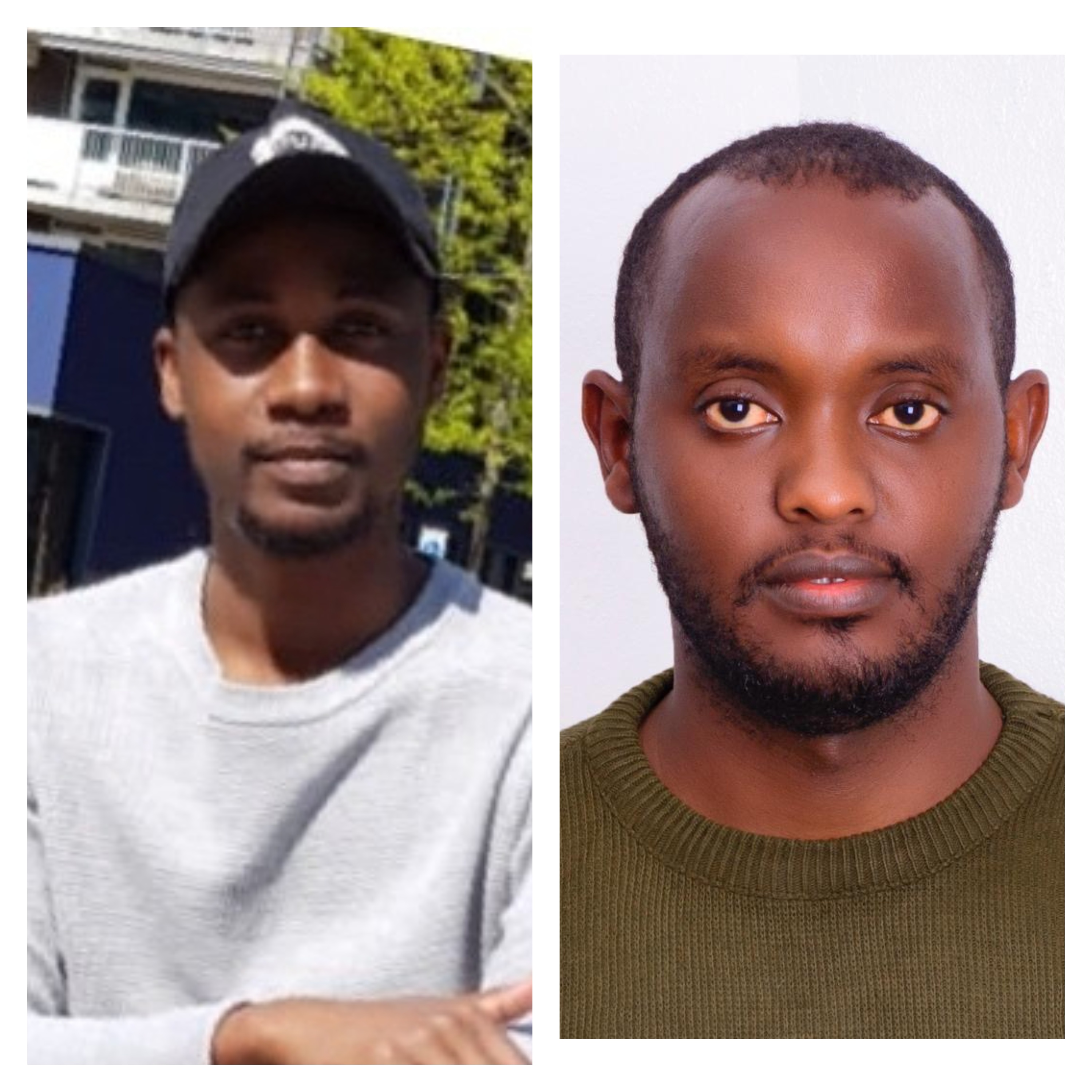
Mr Esaie Dufitimana & Dr Emmy Mugisha
A web-based geospatial visualization platform & End-to End Deep Learning Method for Automated Malaria Diagnosis
Research Training in Data Science for Health in Rwanda
Esaie Dufitimana is a PhD candidate in ComputerScience at the University of Rwanda, specializing in geo-computing, machine learning and their applications, with a strong focus on applying artificial intelligence to Earth observation and spatial analytics for urban systems and public health dynamics. He holds a Master's degree in Geo-information Science and Earth Observation from the University of Twente in the Netherlands.His research centers on machine learning, computer vision and multimodal machine learning, integrating satellite imagery, spatial datasets and statistical data to model urban socio-economic conditions, public health dynamics, and environmental risks.Through this work, he aims to develop scalable, data-driven solutions for urban challenges, particularly in data-constrained regions.
Dr. Emmy MUGISHA, male, Rwandan by nationality is currently a Senior Lecturer from the Department of Computer Science, College of Science and Technology, The University of Rwanda. He holds a Ph.D in engineering, specifically in computer science and technology from the Nanjing University of Science and Technology (NJUST), China. Dr. Emmy is affiliated to the African Center of Excellency in Internet of Things (ACEIoT) as a Senior lecturer and researcher. He has been recently appointed by the college as Health Informatics (Msc.) program coordinator from Regional Center of Excellency in Biomedical Medical Engineering and E-Health (UR-CEBE), College of Medicine and Health Sciences, University of Rwanda. He is also a visiting senior lecturer from the University of Lay Adventist of Kigali. Dr. Emmy has conducted research from diverse areas of interests include Data storage and security, trusted computing, provenance data, cloud computing, and is shifting to new direction such as eHealth and Public Health. He has published more than 10 articles from peer-reviewed journals. Dr. Emmy has extensive experience in managing multidisciplinary research teams towards a digital health related research project (Research Training in Data Science for Health in Rwanda (DST-HIRWA) & Synthetic Healthcare Data Platform for Data Science Training (SYNAPSE)), the NIH funded projects.
Mr Patrick Attey-Yeboah & Ms Gloria Langmatey
DICE - Air quality app (GhanaAQ App)
Leveraging Data Science Applications to Improve Children's Environmental Health in Sub-Saharan Africa
I am currently pursuing my MPhil/PhD in Epidemiology majoring in Environmental Epidemiology. I am the Data Manager of Ghana Urban Air Quality(GhanaAQ) and also the Breathe Accra Project. I am interested in understanding and leveraging data science tools in the develop policies to improve child environmental health in Africa.
A communication graduate with interest in science and health communication, and how data is translated in measurable evidence to impact communities
Dr Steve Cygu
Automl-No Code Platform
African Population & Health Research Centre
Steve is an Associate Research Scientist at the African Population and Health Research Center and Machine learning Engineer with strong mathematical, statistical, and computational skills. He has over five years of experience in research and has previously worked at the intersection of computational approaches and public health. He is greatly involved in the R open-source community and passionate about developing R packages. He has vast experience in data processing, analysis, mining, predictive modeling, machine learning, algorithm implementation, and platform development. Prior to joining APHRC, he worked with Dalberg Research and Infotrak Consulting, both as a data processing manager and at the South African Center for Mathematical Modelling as a researcher. Steve holds a PhD in Computational Science and Engineering from McMaster University (Canada), a double MSc in Mathematical Sciences from Stellenbosch University and University of Cape Town (South Africa), and a BSc in Applied Statistics with Computing from Maasai Mara University (Kenya).