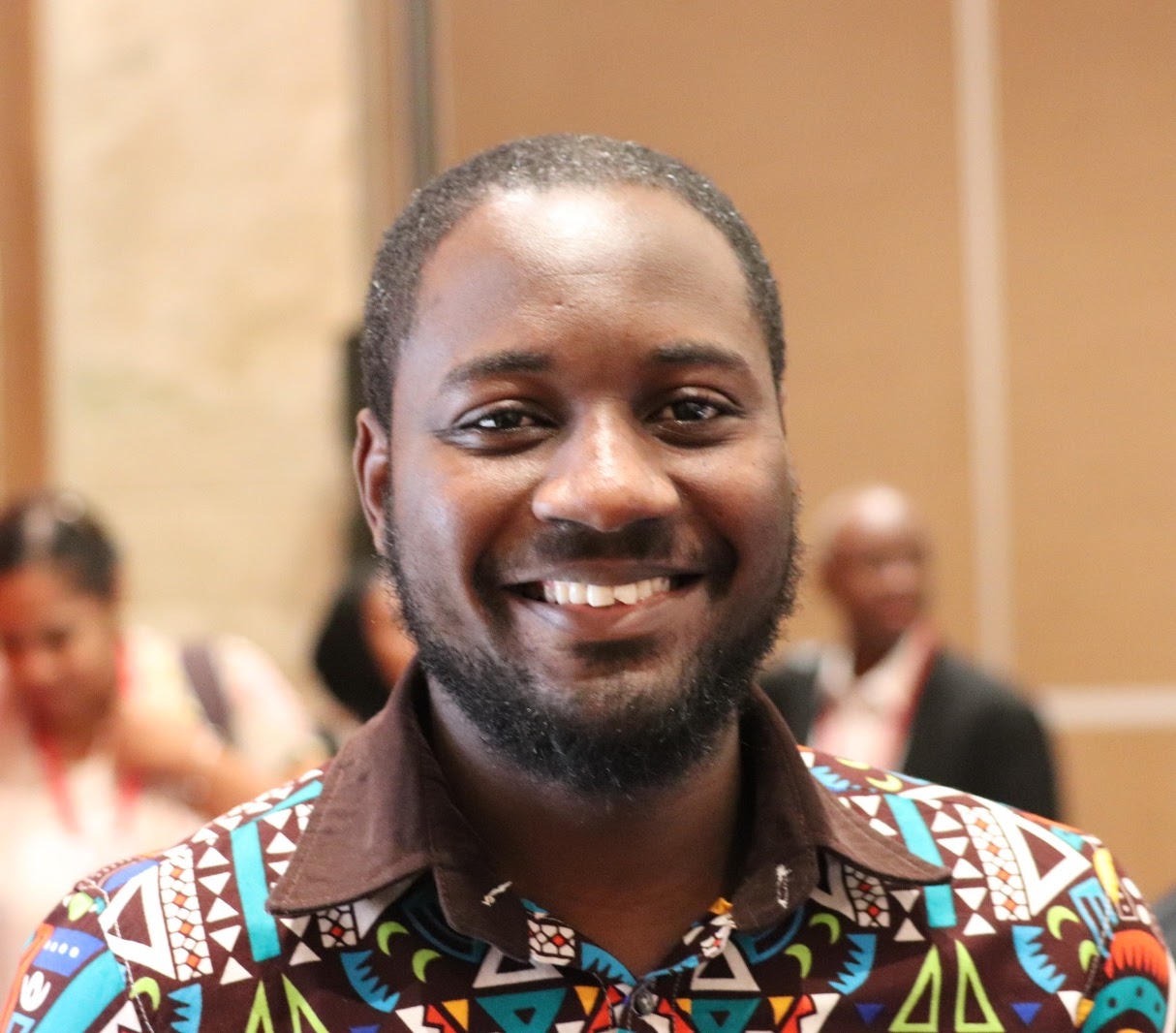
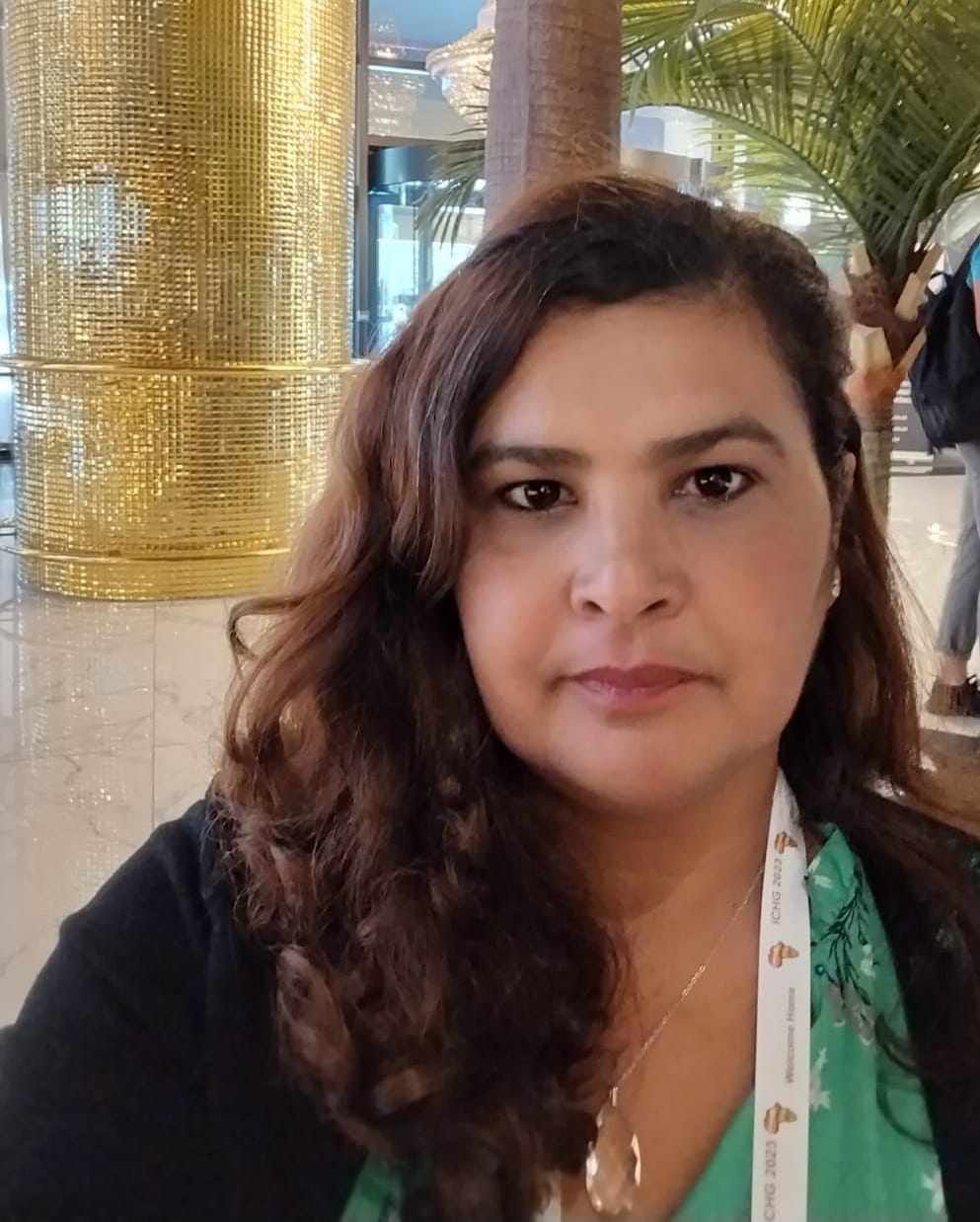
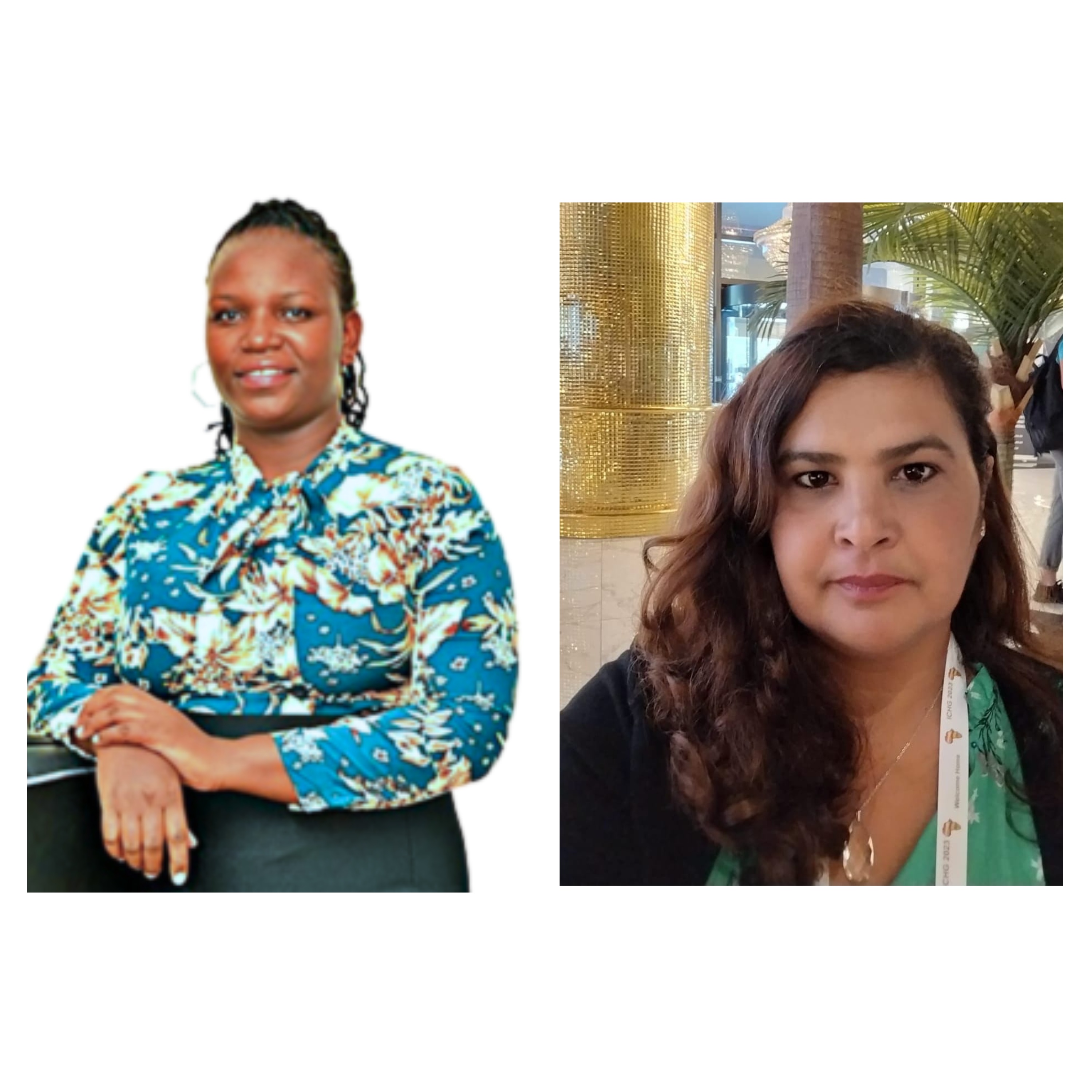
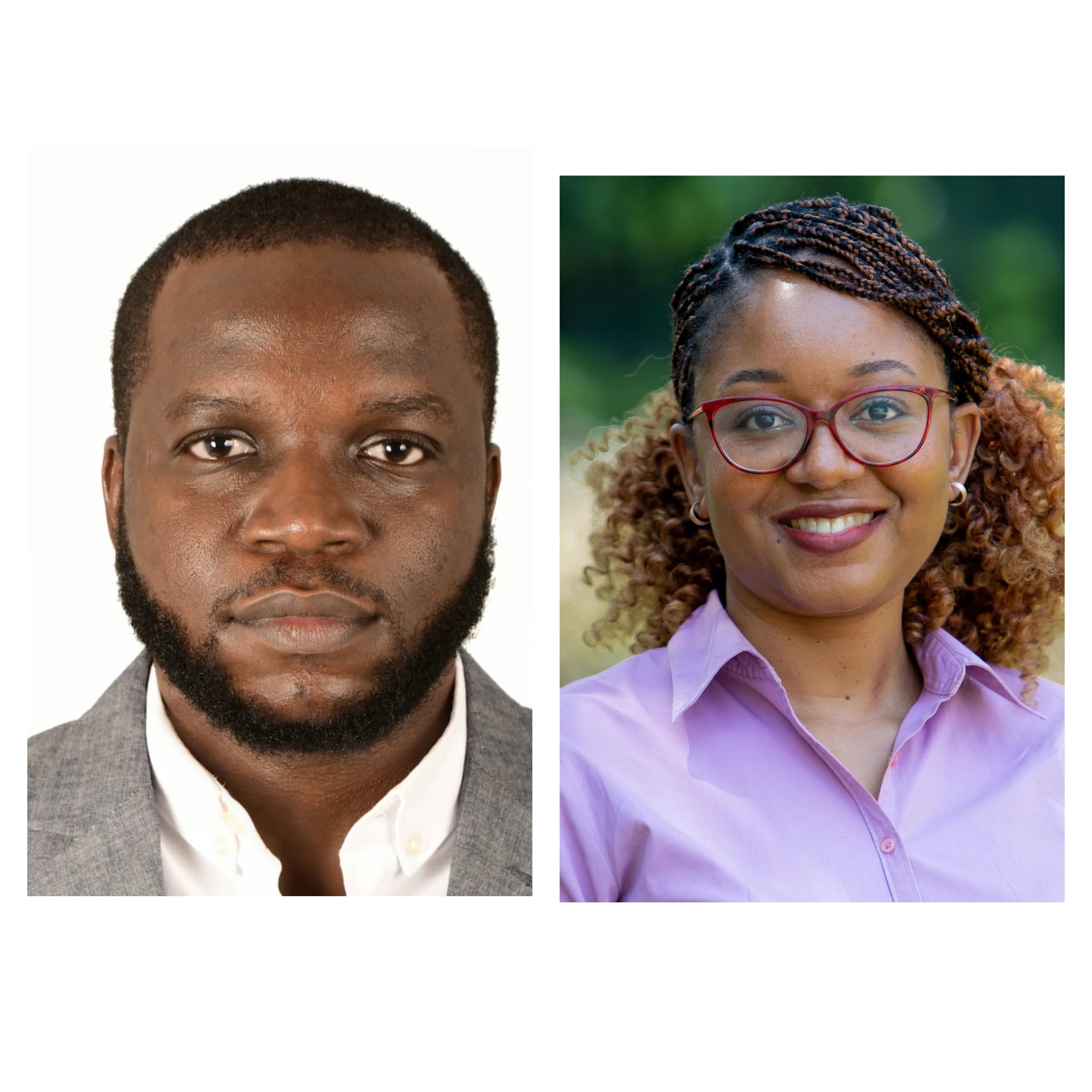
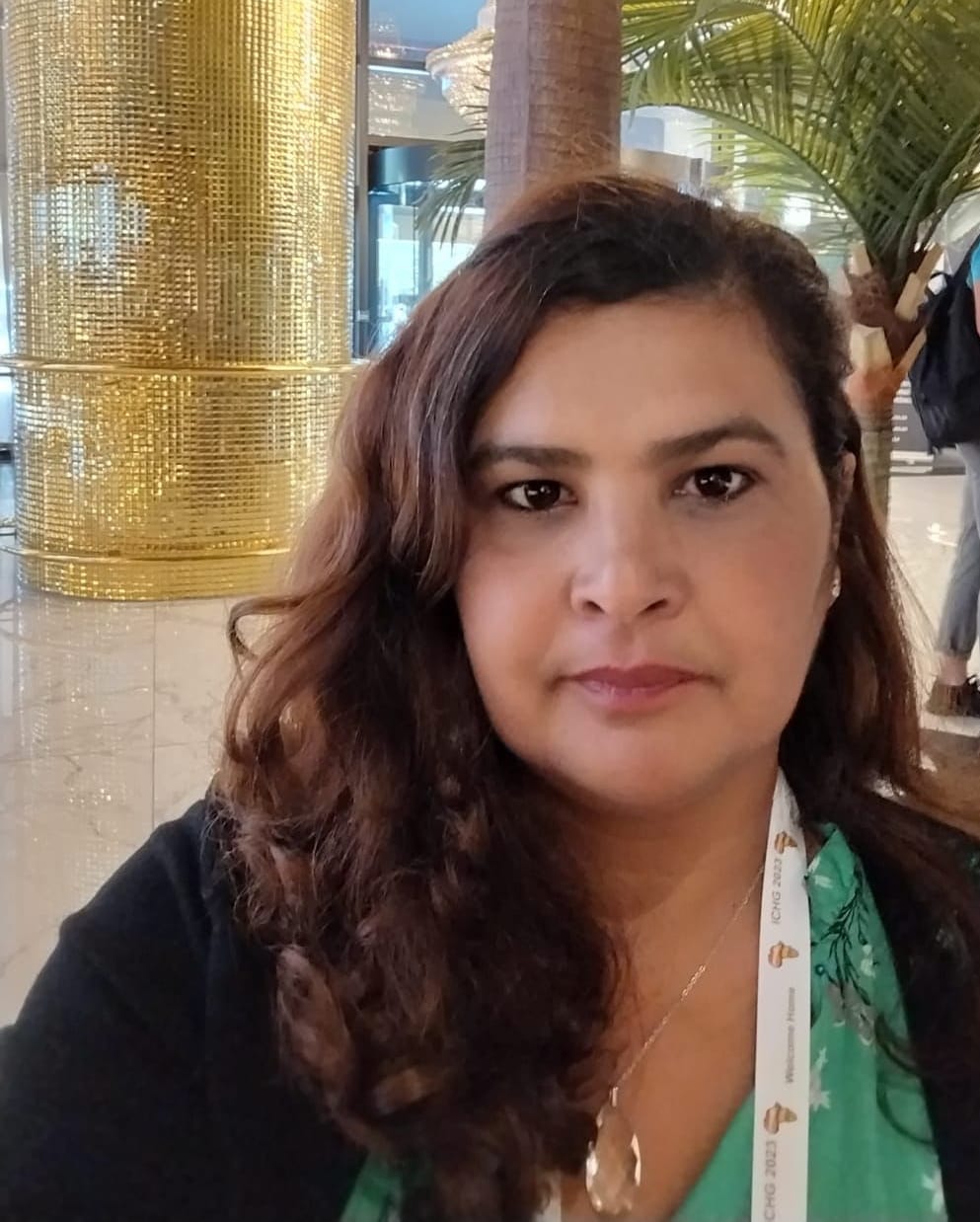
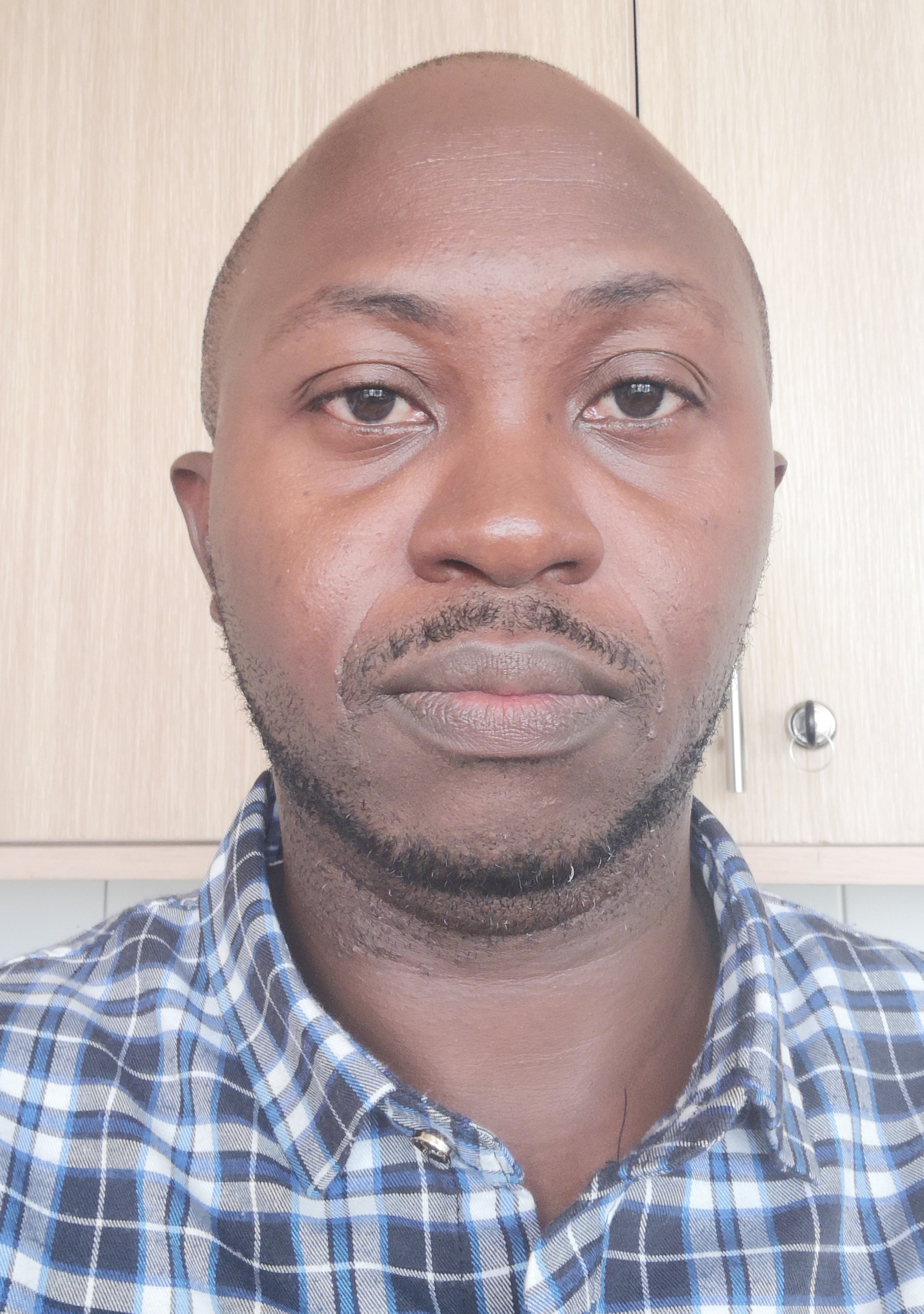
Mrs Dorcas Mwigereri & Dr Michelle Skelton
Working Group: Data Governance WG
UtiliZing health Information for Meaningful impact in East Africa through Data Science/DS-I Africa Coordinating Center
Dorcas is a skilled and focused leader who excels in prioritizing tasks, managing multiple responsibilities simultaneously, and ensuring the successful completion of high-quality projects. My passion for modern technological advancements drives my belief that learning is a continuous journey. I am convinced that staying keen on learning, practicing, and sharing knowledge with fellow developers is essential to staying at the forefront of the development world. As an experienced researcher and a versatile Machine Learning Engineer and Computer Scientist in the health domain and geospatial space, I bring a wealth of expertise in a diverse range of programming languages and technologies, including Python, R, PHP, Java, C#, PostgreSQL, MySQL, SQL Server 2008,XML ,working with Satellite data and geospatial data analysis among others. My proficiency extends beyond coding to encompass an in-depth understanding of modern web technologies and software development methodologies
Dr Michelle Skelton is a successful program manager and leader in the field of genomics and data science in Africa. As the current leader of the H3Africa and DS-I Africa Coordinating Centre's based at the University of Cape Town, she plays a pivotal role in advancing scientific research and collaboration on the continent.
In her role as the Principal Investigator of the H3Africa Administrative Coordinating Centre (H3ACC) and the Harnessing Data Science for Health Discovery and Innovation in Africa (DS-I Africa) Coordinating Centre, Dr Skelton manages a team responsible for supporting these Consortia in various key areas including administration, communications, fiscal management, guidelines and policy development and coordination of meetings and conferences. With the support of core funders such as the NIH/NHGRI/FIC and Wellcome Trust, she has overseen the growth of the consortium to include over 500 individuals and 51 projects.
Dr Skelton's efforts have been instrumental in facilitating scientific exchange, networking, and collaborative brainstorming through in-person Consortium Meetings held in various African countries. She actively engages with stakeholders, government officials, global and grassroots organizations and governance working groups to raise awareness about the importance of scientific research, effective and sensitive data sharing practices towards solving health issues in Africa.
Dr Skelton's dedication to supporting early career scientists and promoting professional development within the scientific community has been a cornerstone of her work. Through fellowship programs, training initiatives, and strategic partnerships, she continues to empower the next generation of scientists to catalyze research findings into tangible solutions that will improve health outcomes for all in Africa and beyond.
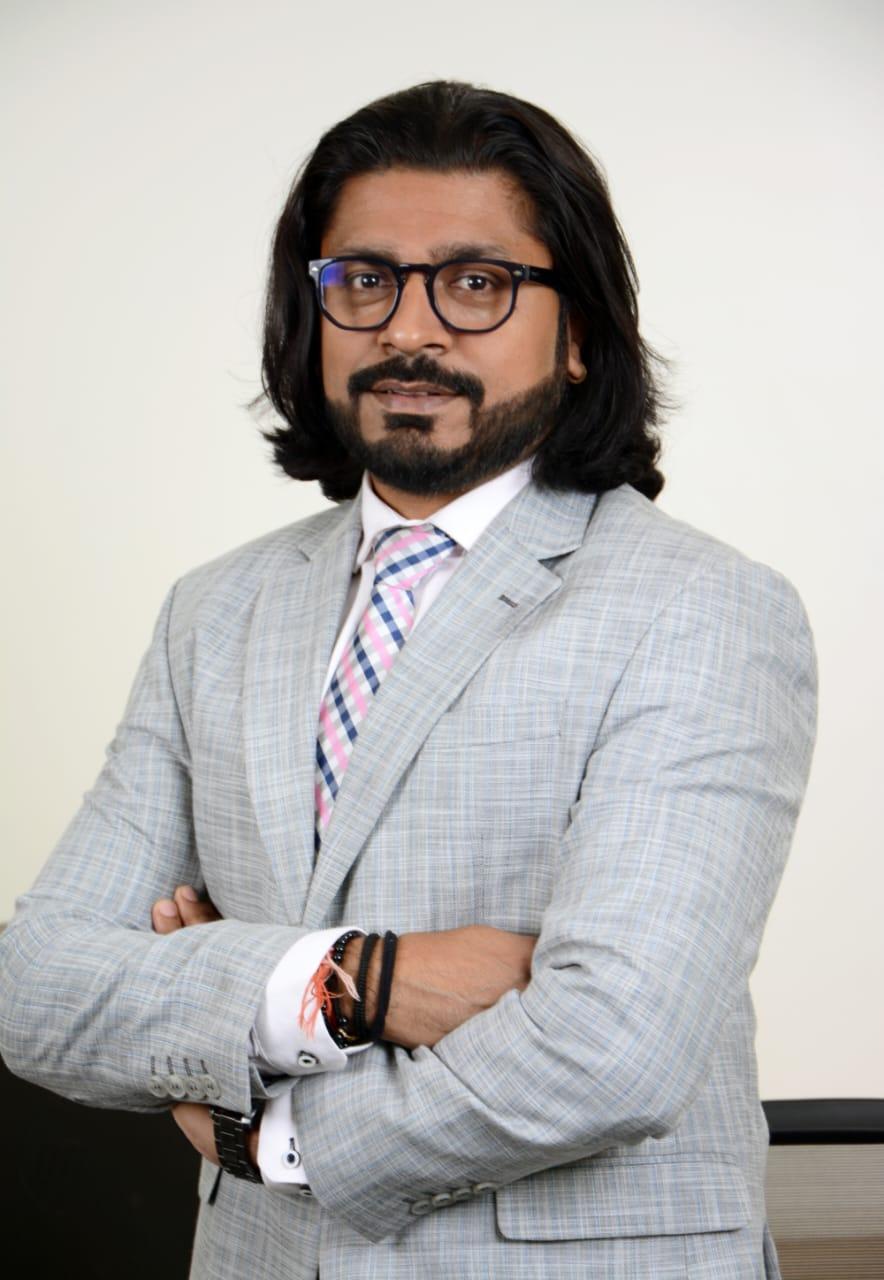
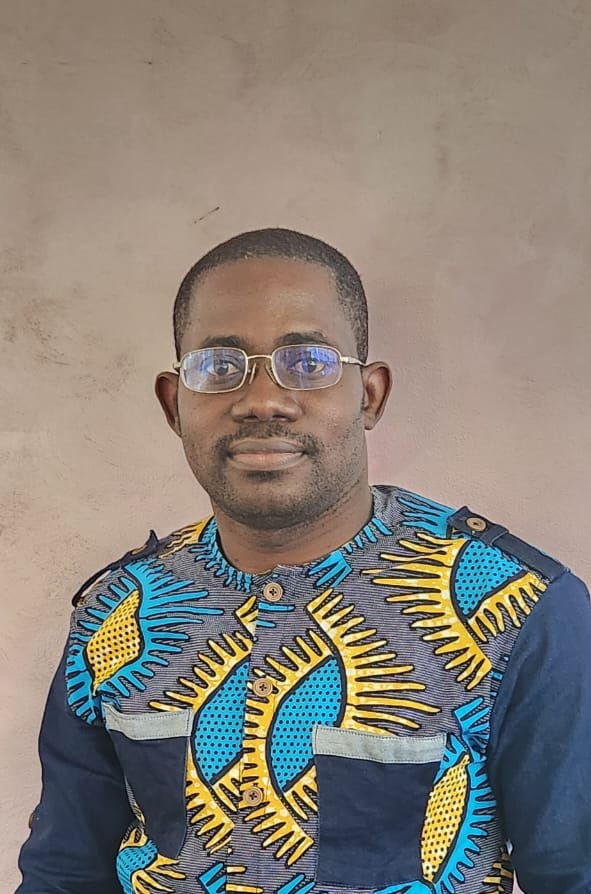
Dr Jasmit Shah
Working Group: Training & Education WG
UtiliZing health Information for Meaningful impact in East Africa through Data Science
Dr. Jasmit Shah holds a Doctorate of Philosophy (PhD) in Bioinformatics and Biostatistics from University of Louisville (2017), Masters in Bioinformatics and Biostatistics from University of Louisville (2011), and a Bachelors in Mathematics, Statistics and Chemistry from University of South Alabama (2009). He has ten plus years' experience in supervising research and data management, data analysis and statistics. His responsibilities have included conducting research and analyzing data for health solutions; use of statistical methods in observational epidemiological studies, clinical trials and computing applications. He also has experience conducting population level studies in low- and middle-income (LMIC) settings such as Kenya, Ethiopia, Zambia, Mozambique and Pakistan. He is one of the lead trainers for EQUIST 2.0, a tool designed by UNICEF to enable the global health community to address the issue of equity in maternal, newborn and child health, and minimize health disparities among populations and has led the use and evaluation of EQUIST 2.0 in Ethiopia, Mozambique, Zambia and Pakistan. He also has experience with LiST Tool as EQUIST uses LiST for impact projection and certain aspects of costing.
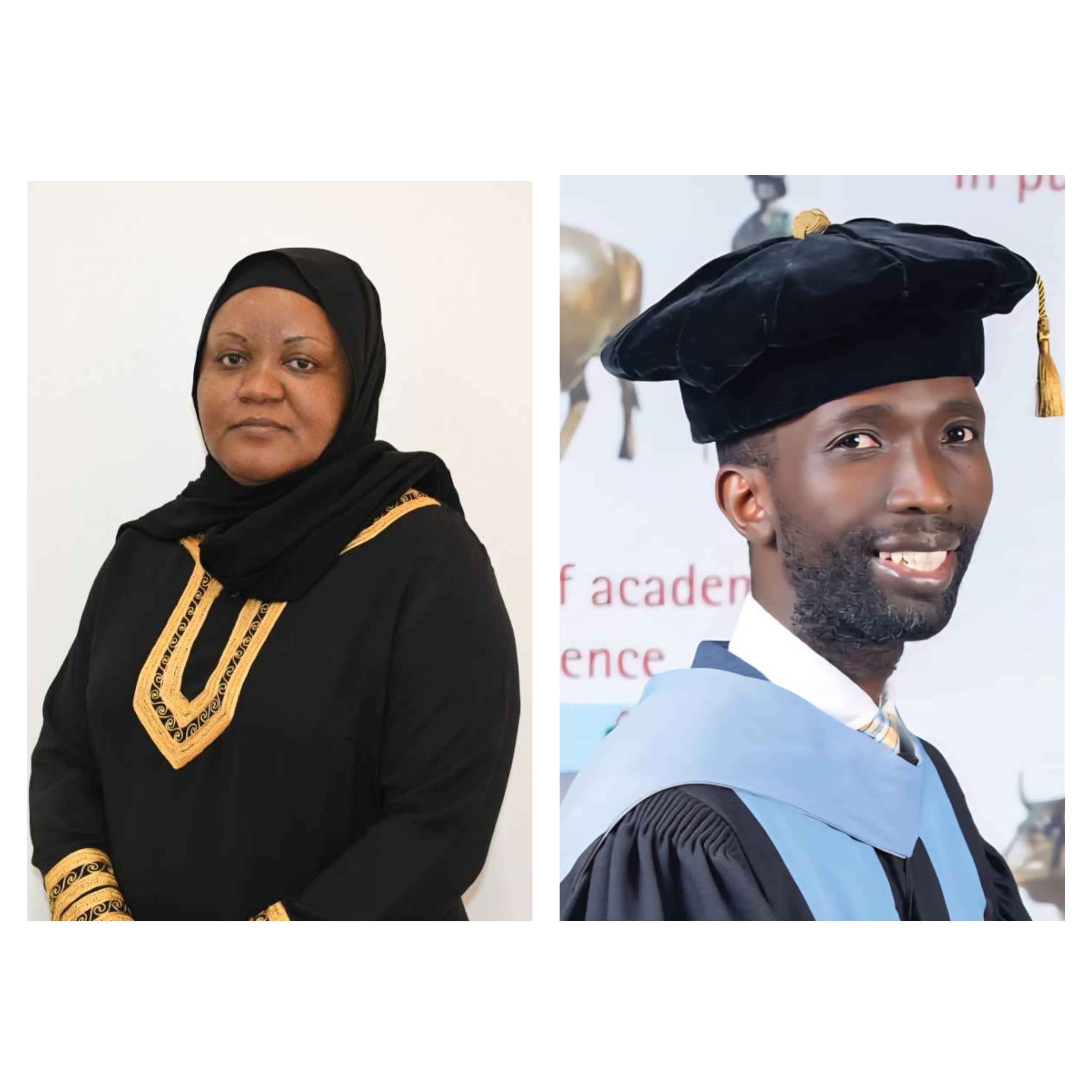
Dr Aminu Musa & Ms Tumai Muzorewa
Working Group: Partnerships & Outreach WG
Role of Data Streams In Informing Infection Dynamics in Africa/Integrated modeLs for Early Risk-prediction in Africa (ILERA) study
Dr. MUSA Aminu is a neuroscientist and science communication expert with a doctorate in addiction neuroscience. Dr. Musa's research focuses on understanding the effects of THC and CBD on synaptic plasticity and addiction-related behaviors by examining behavioral, transcriptional, and microRNA-related mechanisms. His work addresses current concerns about cannabis legalization and the adolescent brain, especially as African countries move toward legalizing cannabis. As a science communication expert, he supports the INFORM Africa project's administrative core by employing innovative science communication strategies (including radio drama series, using storytelling to report research outcomes, animations, newsletters, etc.) to ensure the hub's outputs reach both the scientific community and a broader non-scientific audience. He has also played a key role in the success of INFORM Africa's community engagement strategies, which involve co-creating with communities, building trust, and translating research outputs at the community level. His co-creation model with communities has led to two manuscripts currently underway for publication. Dr. Musa has also contributed to several initiatives within DS-I Africa, including a manuscript on engaging policymakers in health research in Africa, in collaboration with the partnership and outreach working group. He currently serves as the chairperson of the DS-I Africa consortium partnership and outreach working group.
Tumai MUZOREWA, from Zimbabwe, is a human geneticist and PhD candidate at the University of the Witwatersrand who is advancing precision public health across Africa. Her research develops Africa-specific risk prediction models for cardiometabolic diseases (CMDs) by integrating African ancestry genetic data with lifestyle and environmental factors using AI. Working with data from over 12,000 individuals across east, west, and southern Africa, she challenges Eurocentric approaches that leave African populations underserved by global health innovation.
Dr Samuel Iddi
Working Group: Data Management WG
Multimorbidity in Africa: Digital innovation, visualisation and application
Samuel is a research scientist specialized in biostatistics and data science, with a rich research portfolio, underpinned by cutting-edge statistical/methodological research and the application of innovative research techniques to advance public health and biomedical research. He currently works at the African Population and Health Research Center (APHRC). He is a co-investigator of the MADIVA project that employs machine and deep learning to address problems related to the multimorbidity of non-communicable diseases. Samuel is the chair of the Data Management Working Group of the DS-I Africa Consortium. He is a recognized trainer in statistical software, statistical methods, data management and analysis, impact evaluation methods, etc., and has provided training workshops and mentorship for researchers and students.
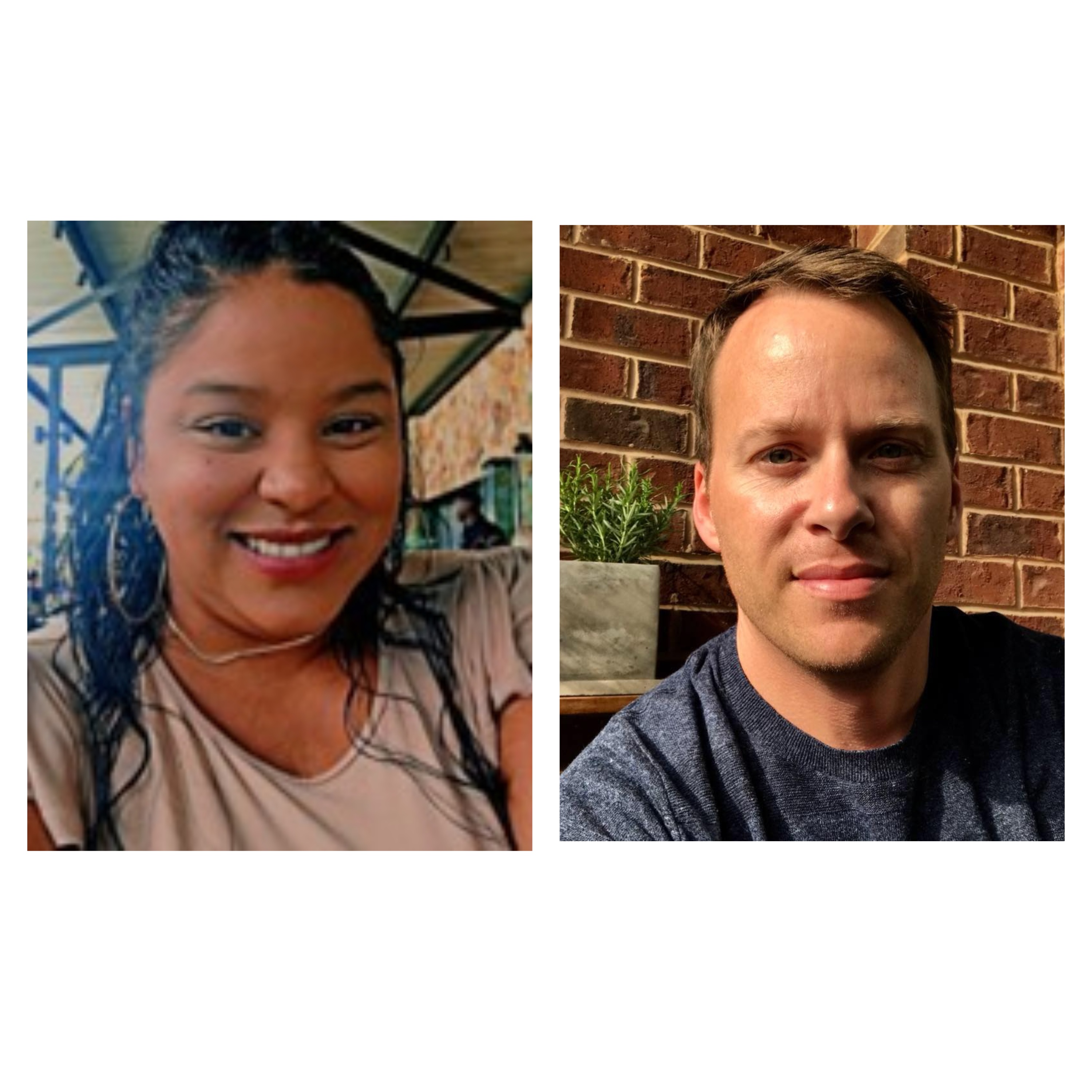
Mrs Tanian Natus & Dr Brad Newsome
Working Group: Research Administrators WG
DS-I Africa Coordinating Center/National Institutes of Health
Tanian Natus-Isaacs is a committed and passionate Administrator and Events Coordinator at The Human Heredity and Health in Africa(H3Africa) Consortium since 2019 and based at The University of Cape Town. She is responsible and accountable for the day to day running of the project activities and finances. Since her involvement and interest in Health Sciences she has acquired project management skills and expertise through experiences with working on projects.
Brad Newsome, Ph.D., serves as a Program Director at the Fogarty International Center (FIC), part of the U.S. National Institutes of Health (NIH). Brad oversees an applied global health research portfolio geared toward advancing data science and innovation, health impacts of extreme weather events, mobile and digital health, point-of-care technologies, dissemination and implementation research, and medical/research capacity building efforts. Brad is a biomedical scientist trained at the interface of materials engineering, toxicology, environmental public health, and science policy, with research geared toward holistically addressing global health concerns associated with environmentally-induced non-communicable diseases.
Prof Amina Abubakar & Dr Gaone Retshabile
Meeting Recap
UtiliZing health Information for Meaningful impact in East Africa through Data Science/DSpace: Utilizing Data Science to Predict and Improve Health Outcomes in Pediatric HIV
Prof Amina Abubakar is a Kenyan research psychologist with over 20 years of research experience. She is a Professor and the Director of the Institute for Human Development, Aga Khan University. Her interests are in both acquired and congenital brain disorders, with some of her most significant contributions including the development of open-access assessment tools and the description of the neurocognitive and mental health outcomes associated with various health conditions. She is also passionate about women's empowerment and has received a grant to train and empower more women scientists in neuroscience and brain health research.
Dr. Gaone Retshabile is a lecturer at the University of Botswana. He teaches undergraduate and graduate classes in the microbiology and molecular biology cognate areas of the Biological Sciences department. His research interests are in the genomics of infectious and non-communicable diseases. He is passionate about capacity building.
Dr Michelle Skelton
ECR Representative
DS-I Africa Coordinating Center
Dr Michelle Skelton is a successful program manager and leader in the field of genomics and data science in Africa. As the current leader of the H3Africa and DS-I Africa Coordinating Centre's based at the University of Cape Town, she plays a pivotal role in advancing scientific research and collaboration on the continent.
In her role as the Principal Investigator of the H3Africa Administrative Coordinating Centre (H3ACC) and the Harnessing Data Science for Health Discovery and Innovation in Africa (DS-I Africa) Coordinating Centre, Dr Skelton manages a team responsible for supporting these Consortia in various key areas including administration, communications, fiscal management, guidelines and policy development and coordination of meetings and conferences. With the support of core funders such as the NIH/NHGRI/FIC and Wellcome Trust, she has overseen the growth of the consortium to include over 500 individuals and 51 projects.
Dr Skelton's efforts have been instrumental in facilitating scientific exchange, networking, and collaborative brainstorming through in-person Consortium Meetings held in various African countries. She actively engages with stakeholders, government officials, global and grassroots organizations and governance working groups to raise awareness about the importance of scientific research, effective and sensitive data sharing practices towards solving health issues in Africa.
Dr Skelton's dedication to supporting early career scientists and promoting professional development within the scientific community has been a cornerstone of her work. Through fellowship programs, training initiatives, and strategic partnerships, she continues to empower the next generation of scientists to catalyze research findings into tangible solutions that will improve health outcomes for all in Africa and beyond.