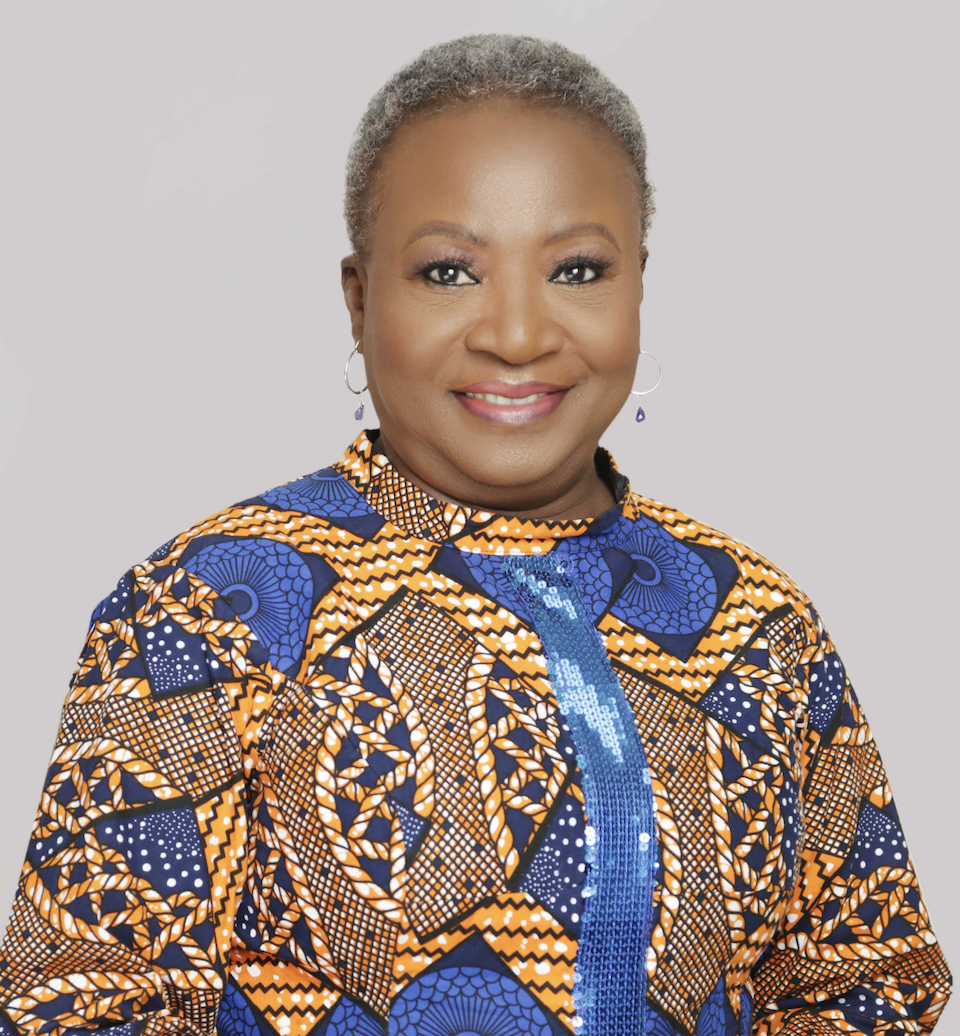
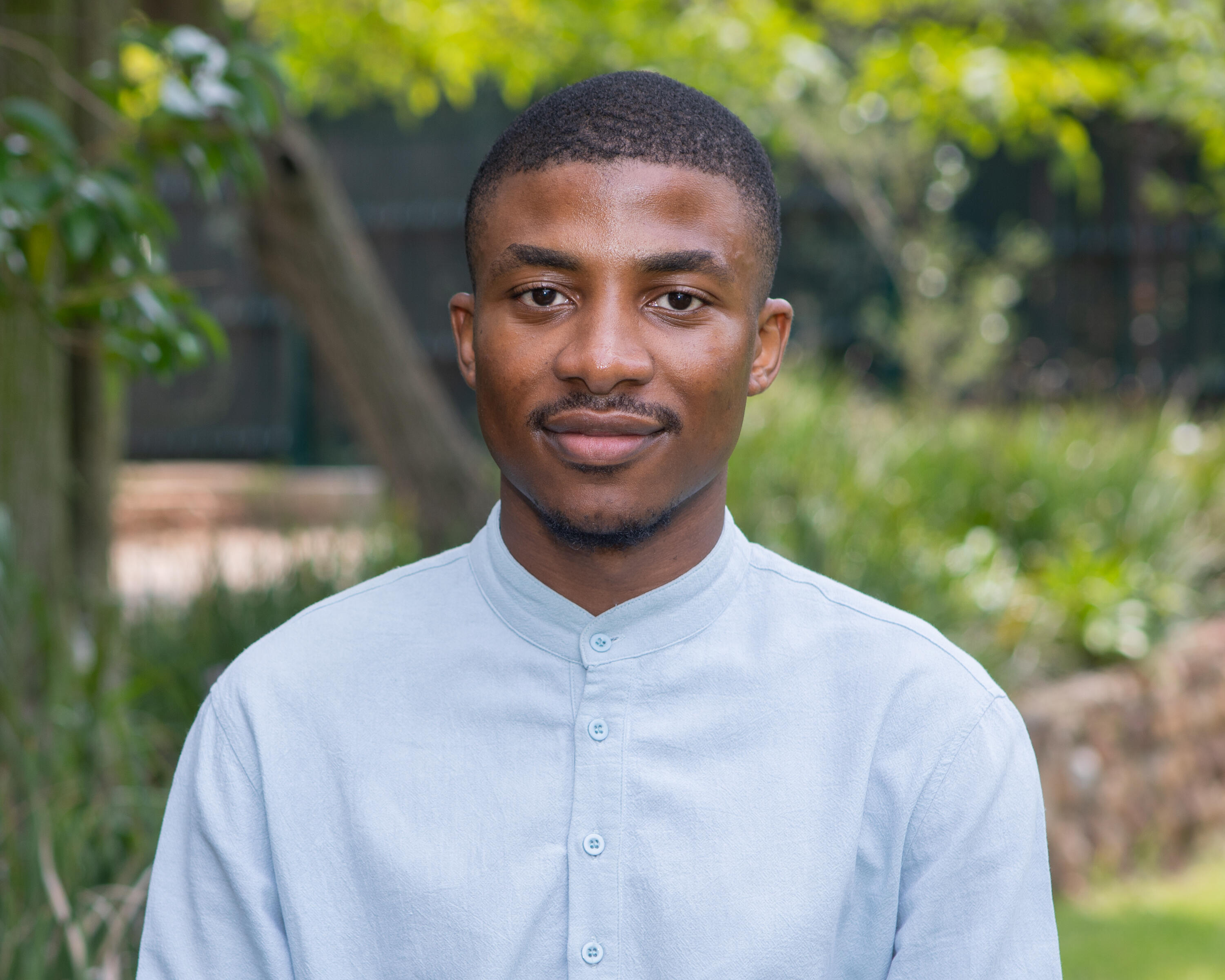
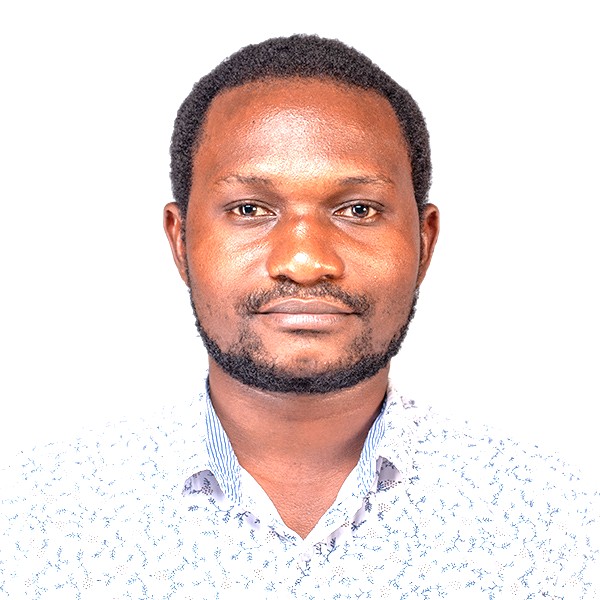
Mrs Dorcas Mwigereri
Synthetic data generation of health and demographic surveillance systems data: a case study in a low- and middle-income country
UtiliZing health Information for Meaningful impact in East Africa through Data Science
Dorcas is a skilled and focused leader who excels in prioritizing tasks, managing multiple responsibilities simultaneously, and ensuring the successful completion of high-quality projects. My passion for modern technological advancements drives my belief that learning is a continuous journey. I am convinced that staying keen on learning, practicing, and sharing knowledge with fellow developers is essential to staying at the forefront of the development world. As an experienced researcher and a versatile Machine Learning Engineer and Computer Scientist in the health domain and geospatial space, I bring a wealth of expertise in a diverse range of programming languages and technologies, including Python, R, PHP, Java, C#, PostgreSQL, MySQL, SQL Server 2008,XML ,working with Satellite data and geospatial data analysis among others. My proficiency extends beyond coding to encompass an in-depth understanding of modern web technologies and software development methodologies
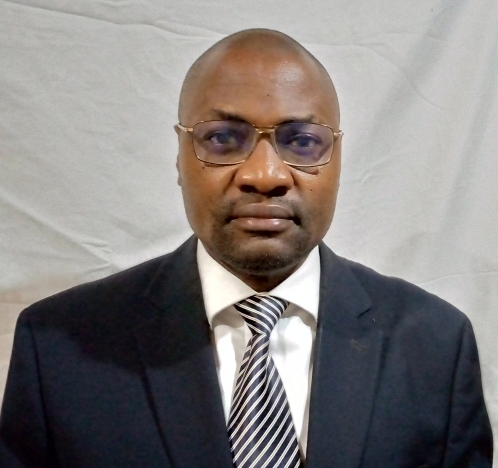
Prof Georges Nguefack-Tsague
Using synthetic data for training AI models: issues in monitoring and evaluating SDGs with applications to Cameroon trauma registry (CTR) data
Harnessing Data Science to Promote Equity in Injury and Surgery for Africa
Georges Nguefack-Tsague is Associate Professor, Biostatistics, Data Science, and Health Informatics, at the Faculty of Medicine and Biomedical Sciences at the University of Yaoundé I, Cameroon. He is chairing the Working Group "Data Mining and Big Data Analytics" at HELINA
A/Prof Ann Wanjiru Mwangi
DSSD: Building Capacity and Advancing Data Infrastructure in Kenya
NYU-Moi Data Science for Social Determinants Training Program
Ann Wanjiru Mwangi, PhD is the Associate Dean for Research and Innovation in the School of Postgraduate Studies, Research and Innovation at Moi University. She holds a PhD in Biostatistics from Brown University (USA), dual master's degrees in Biostatistics and Applied Statistics from Hasselt University (Belgium), and a Bachelor of Science degree from Jomo Kenyatta University of Agriculture and Technology (Kenya). She is an Associate Professor of Biostatistics in the Department of Mathematics, Physics, and Computing, Dr. Mwangi has over two decades of experience in biostatistical research, teaching, and mentorship. She trains and supervises undergraduate and postgraduate students across the School of Science and the College of Health Sciences. For the past 20 years, she has served as a Biostatistician with the Academic Model Providing Access to Healthcare (AMPATH) program, contributing to numerous peer-reviewed publications. She is Co-Director of the AMPATH Data and Analysis Team (ADAT) and has been instrumental in advancing data-driven decision-making in clinical care. Her research interests include Data Science, Causal Inference, and statistical methods for reducing bias in observational data, particularly in resource-limited settings where clinical trial data are scarce. Her work spans HIV & AIDS, oncology, chronic diseases, and other pressing health challenges.
A/Prof Celestin Twizere
The Synthetic Healthcare Data, for Education and Research
SYNthetic Healthcare DAta Platform for Data Science Training
Celestin Twizere is an Associate Professor of Biomedical Electronics, Electromagnetism and telecommunication at the University of Rwanda, College of science and technology and Director of the East Africa Regional Centre of Excellence in Biomedical Engineering and e-Health (CEBE), hosted by University of Rwanda. He has experience in Higher Education training and leading, conducting and publishing in telecommunications, computer science and mHealth technology for more than 22 years. In the role of CEBE Director, Twizere has gained valuable experience in the management of funding from African Development Bank and other different funding agencies including NIH for over 8 years. One of the highest priorities is to implement telemedicine technologies, Electronic Health Records (EHR), and interoperability of systems to link East African Centers of Excellence and specialized health care facilities across the region. With his telecommunication background (Ground Penetrating Radar, Wireless Communication and Networks, Electromagnetic Radiation and Propagation, and Smart Antenna for Mobile Communication), his spectrum of work is broad as he is collaborating in different projects in digital health as a main leader or co-leader. These include strengthening research capacity and expertise in digital health, digitalizing the hospital patient trajectory and secondary use of EHRs in Rwanda, e-mental healthcare architecture as