Mr Denis Musinguzi
DS-IAFRICA-TB: Tuberculosis in households with infectious cases in Kampala city: Harnessing health data science for new insights on TB transmission and treatment response
Tuberculosis in households with infectious cases in Kampala city: Harnessing health data science for new insights on TB transmission and treatment response
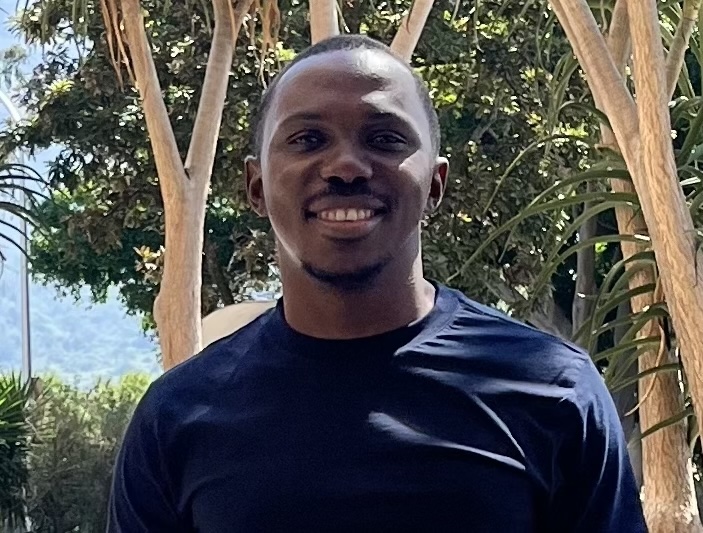
Denis Musinguzi is a Research Engineer at the Marconi Research and Innovation Lab at Makerere University. He holds an MS in Electrical and Computer Engineering from Carnegie Mellon University, where he specialized in applied machine learning. His research focuses on advancing multimodal machine learning for medical image analysis within the healthcare AI domain.
Prof Alash'le Abimiku
Role of Data Streams in Informing Infection Dynamics in Africa (INFORM Africa)
Role of Data Streams In Informing Infection Dynamics in Africa- INFORM Africa
Professor Alash'le Abimiku has been pivotal to the establishment of a long-term collaboration between Institute of Human Virology Nigeria (IHVN) where she serves as the Executive Director of the International Research Centre of Excellence at the Institute of Human Virology Nigeria
Dr Bernard Ebruke
Combatting AntiMicrobial Resistance in Africa Using Data Science
Combatting AntiMicrobial Resistance in Africa Using Data Science
Dr Bernard Ebruke is a Paediatrician and Epidemiologist and currently serves as Country Director for Research at the International Foundation Against Infectious Disease in Nigeria (IFAIN). Dr Ebruke has over 15years experience working on research studies evaluating the epidemiology of infectious diseases in children across diverse healthcare settings in Africa. He previously served as Research Manager and Clinician investigator on several studies whilst at the MRC UK in The Gambia, including studies evaluating the epidemiology and etiology of childhood pneumonia and impact studies on the introduction of pneumococcal conjugate vaccines. In his current role at IFAIN, Dr Ebruke has coordinated the set-up and implementation of surveillance programs for drug-resistant bacterial infections in vulnerable groups, including surveillance for meningitis pathogens in different parts of Nigeria. He currently serves as IFAIN team lead in the implementation of the Combatting Antimicrobial Resistance in Africa (CAMRA) project, on the NIH-sponsored DS-I Africa Program.
Prof Emma Kalk
The INSITE study: Optimizing Routine Digital Health Platforms for Service Strengthening and Research
INnovative data Science to Impact the TB Epidemic
Associate Professor Emma Kalk is a clinical epidemiologist with a focus on operational research in maternal and child health. Her current interests include pharmacovigilance and surveillance in pregnant and breast-feeding women with an emphasis on antiretroviral and anti-tuberculosis therapy, as reflected in her publication record. She manages the Pregnancy Exposure Registry in Cape Town (a sentinel-site of the South African Pregnancy Exposure Registry) which is supported by a larger population-level database. This involves collaborations with pregnancy registries nationally within South Africa and regionally. She works closely with colleagues from the provincial department of health to optimise data use for improved service delivery. Dr Kalk is co-chair of the International Union against Tuberculosis & Lung Disease Maternal-Child Working Group and co-chairs the Surveillance Working Group of the WHO/USAID/SMART4TB Optimal inclusion of pregnant women in TB drug and vaccine research consensus process.
Ms Christina Riley
GDRS - Ghana: A Ghana case study for the Reveal Geo-enabled detect and respond system for antimalarial resistance
Geo-enabled detect and respond system for antimalarial resistance in Ghana
Christina Riley is a Director and Portfolio Lead at Akros, a small digital health firm that works to establish data-driven systems to improve the health and well-being of communities. She leads the design, research, and technical implementation of programs that utilize geospatial data for targeted public health intervention deployment and monitoring. She has conducted malaria operational research and programmatic implementation across the African continent and southeast Asia for more than a decade.
Dr Rose Nakasi
DS-I Malaria: Automated Mobile Microscopy for Malaria Diagnosis and surveillance in Uganda
Automated Mobile Microscopy for Malaria Diagnosis and surveillance in Uganda
Dr. Rose Nakasi is an AI researcher and Lecturer at Makerere University, under the College of Computing and Information Sciences. She also serves as the Head of the Makerere AI Health Lab, where she leads innovative efforts to apply artificial intelligence in developing low-cost, automated solutions to address pressing health challenges particularly in low-and-middle-income countries. Dr. Nakasi holds a PhD in Computer Science from Makerere University. As part of the DS-I Africa consortium, she serves as the Principal Investigator for the DS-I Malaria Project. Beyond her academic and research contributions, she is a member of the Uganda National AI Task Force, where she supports efforts to guide the implementation and governance of AI in Uganda. She also contributes to the WHO Global Initiative on Artificial Intelligence for Health as the Topic Group Chair for “AI-based Detection of Malaria.” Dr. Nakasi’s work reflects a deep commitment to leveraging technology to advance equitable, impactful, and life-saving healthcare innovations.