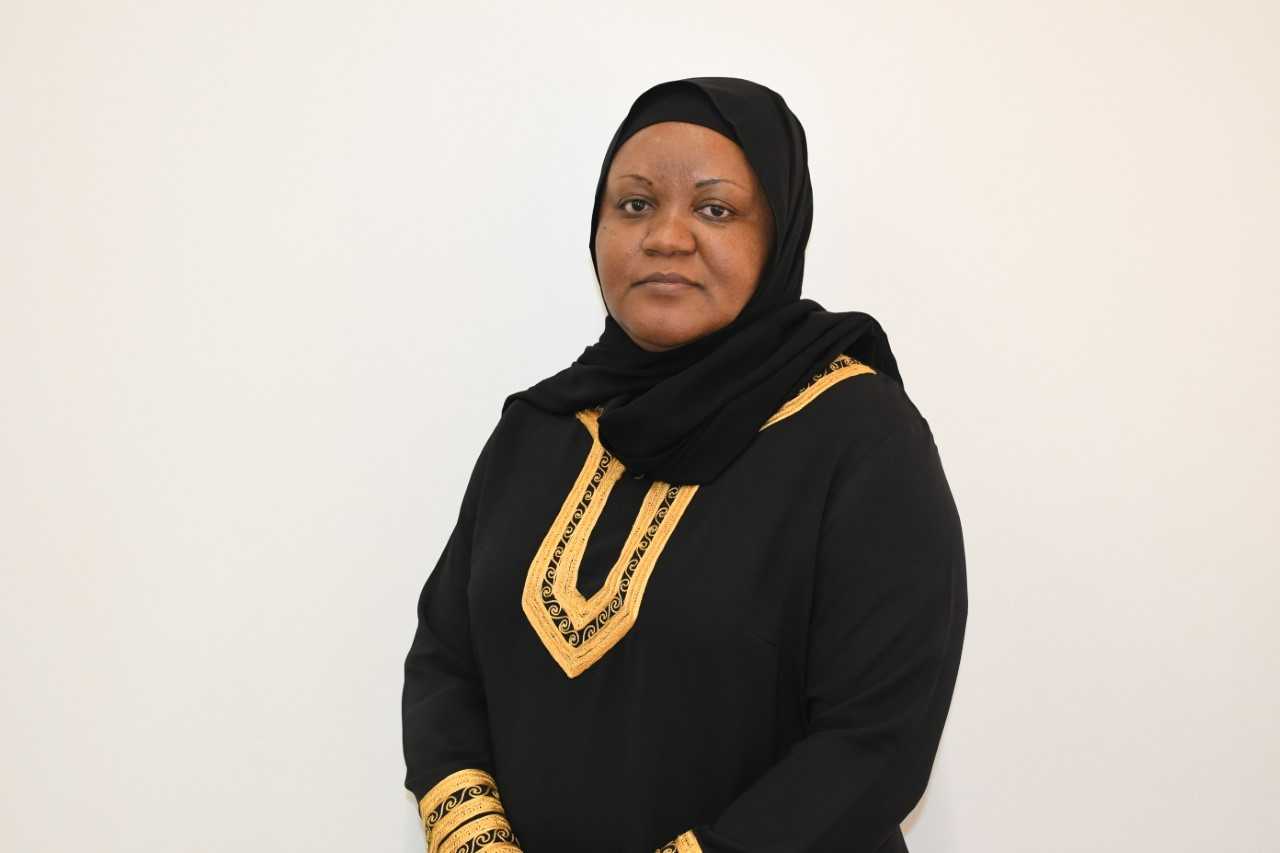
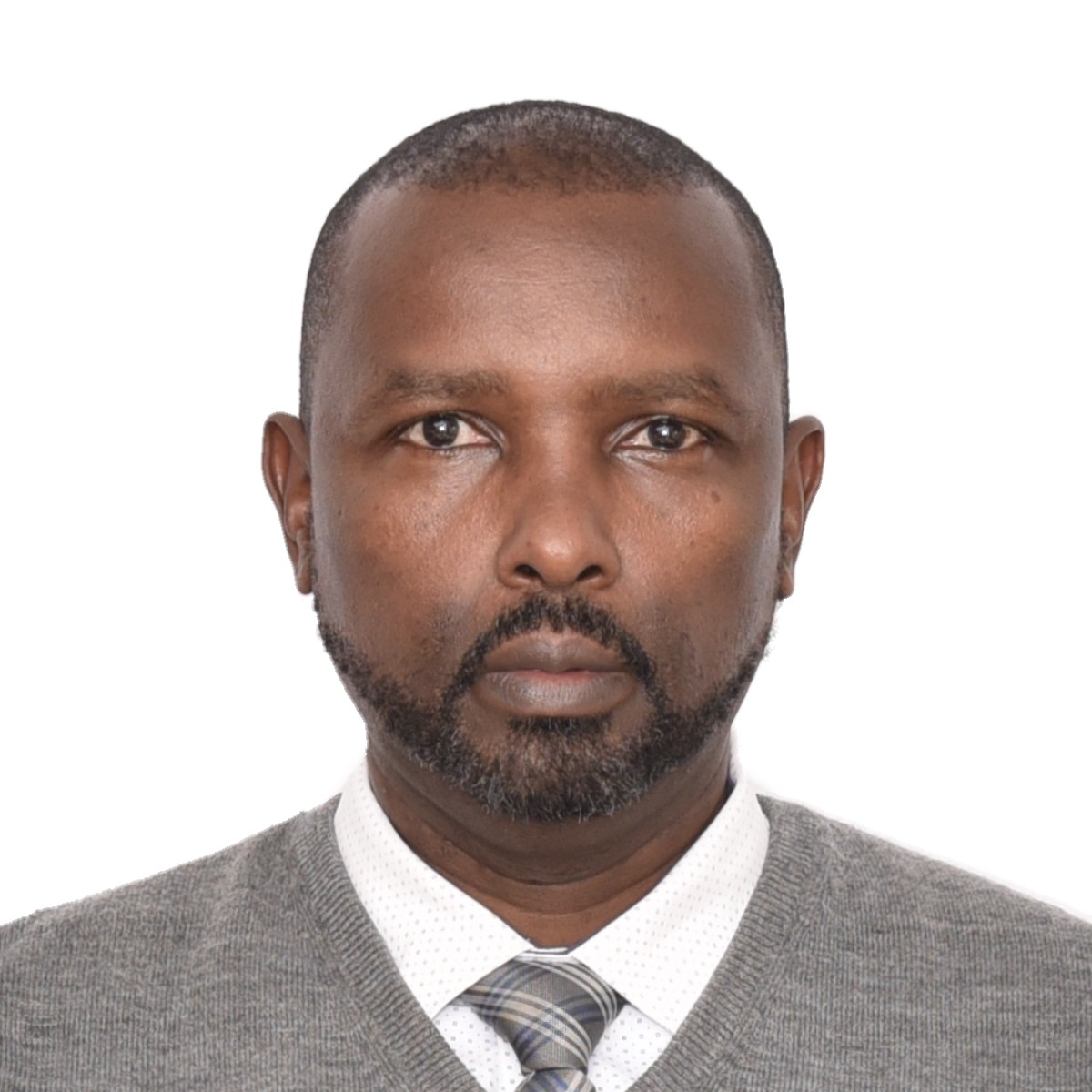
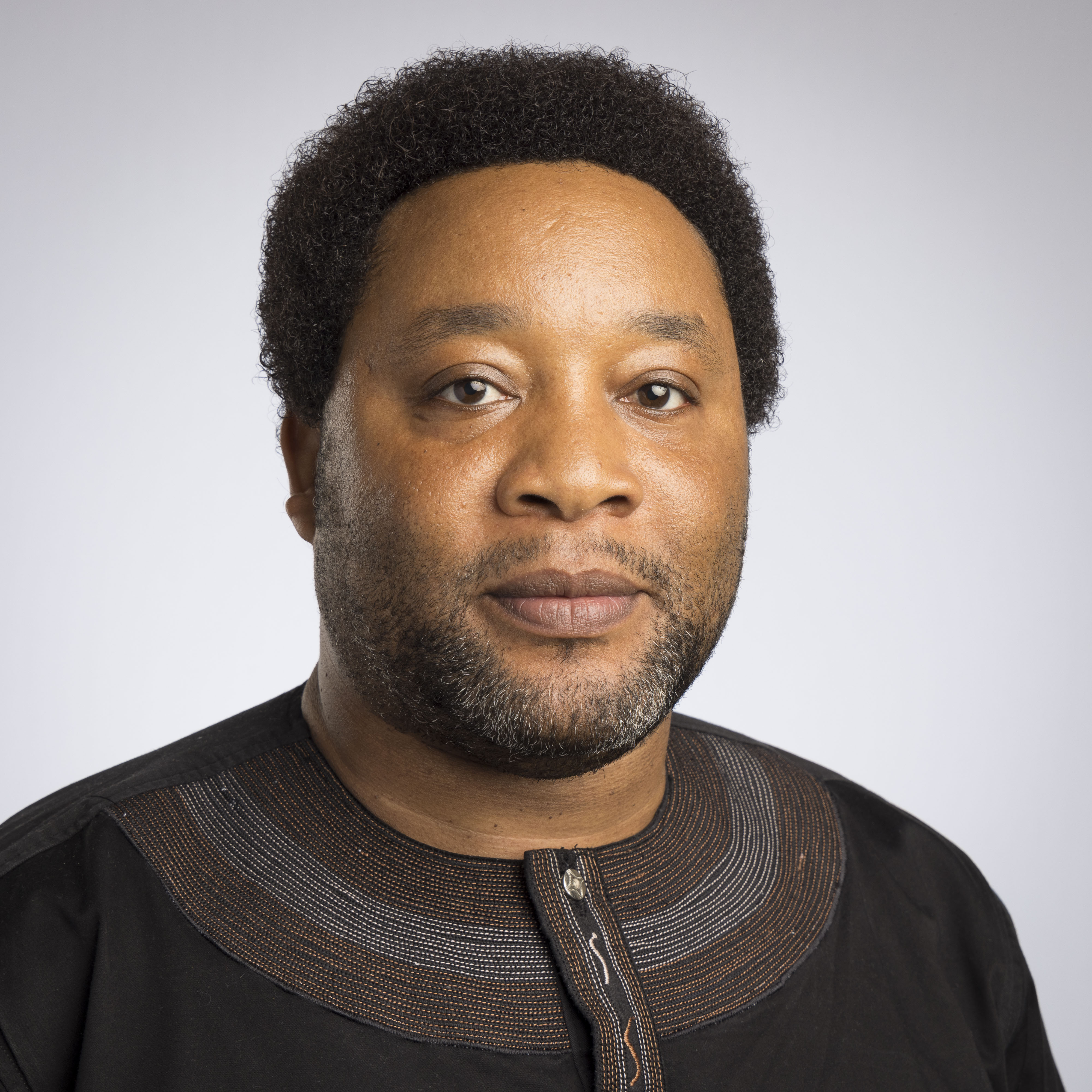
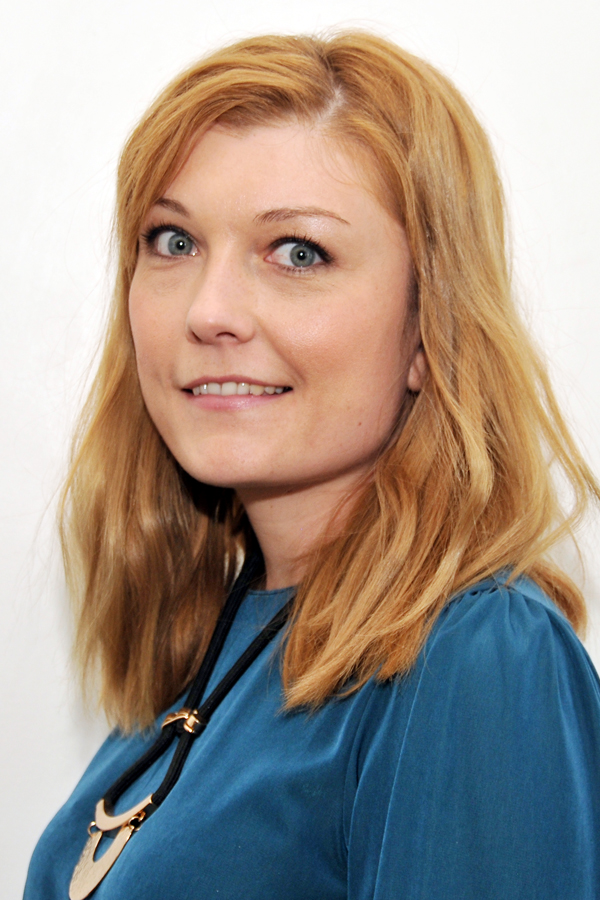
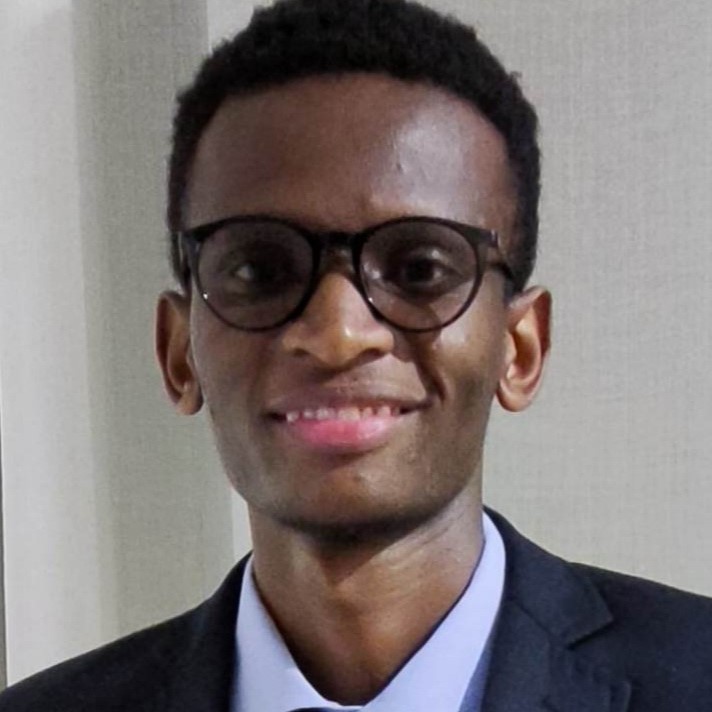
Dr Aminkeng Leke
AI-Enhanced Neonatal Cardiac View Extraction for Remote CHD
Artificial Intelligence assisted echocardiography to facilitate optimal image extraction for congenital heart defects diagnosis in Sub-Saharan Africa
Dr. Leke Aminkeng is an accomplished pharmacoepidemiologist with a master's in chemical pathology and a PhD in pharmacoepidemiology. With over 17 years of expertise, he has led drug safety research across Europe, Africa, and North America, partnering with organizations such as Ulster University, EUROCAT, and the WHO. He previously served as Deputy Vice Chancellor at Biaka University in Cameroon and has been honored with numerous accolades, including the 2022 James Wilson Publication Award for birth defects research and the 2021 Commonwealth Digital Health Award for his development of the Global Birth Defects App. He is a FAIMER fellow and co-founder of several initiatives, including the Sub-Saharan African Congenital Anomaly Network (sSCAN), the Cameroon NCD Alliance, and the Health Research Foundation (HRF) Cameroon. He currently spearheads innovative projects at the HRF-Digital Innovation Hub, including the StarMum pregnancy app, the Cameroon Registry of Congenital Anomalies Surveillance (CARECAS), and the DSI-Africa CHD AI project. His contributions in rural diabetes management, maternal and child health, and digital health innovation have garnered international recognition, reflecting his dedication to advancing global health through research and technology.
Dr Nadja Louw
From data to diagnosis - Advancing discovery for developmental disorders in Africa
Advancing discovery for developmental disorders - expanded analysis of the DDD-Africa resource
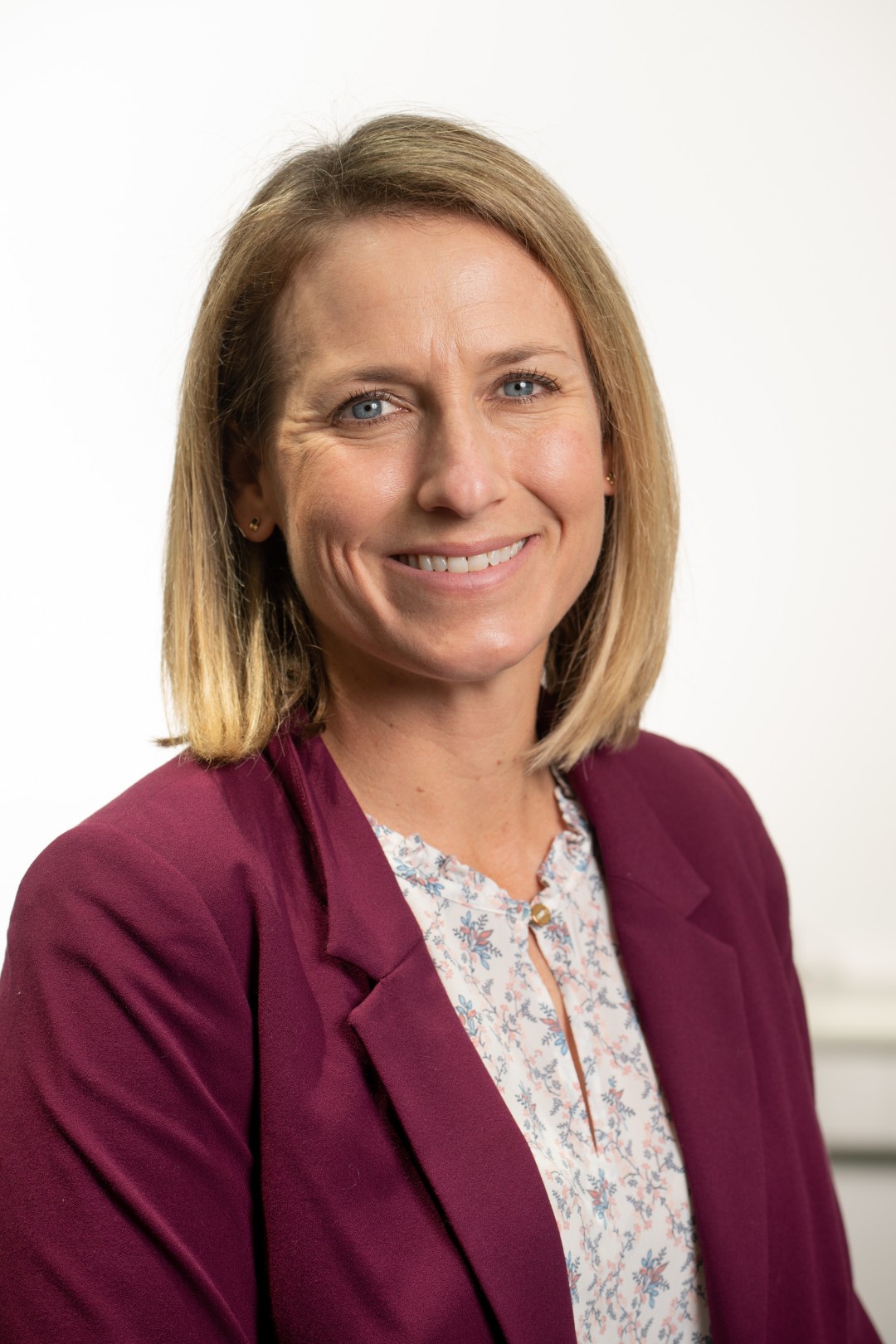
Dr Nadja Louw is currently a Post-doctoral Research Fellow for Deciphering Developmental Disorders in Africa (DDD-Africa) project at the South African Medical Research Council and affiliated with the University of the Witwatersrand. Here she leads and contribute to scientific publications, conference presentations, and produce new grant funding applications. She also contributes to the final curated project dataset (clinical and genomic dataset) and workflows using her knowledge of Next Generation Sequencing data analysis and variant interpretation. Her PhD project was focused on identifying copy number variants (CNVs) in South African patients with developmental disorders. She has developed a bioinformatic CNV analysis pipeline for the DDD-Africa project which is being refined and incorporated into the main variant analysis pipeline. Diagnosing children with developmental disorders is her main focus at present using new and improved technologies and techniques ensuring additional diagnoses for already recruited families.
A/Prof Ananyo Choudhury
The Moving Lipidome: Drivers of Lipid Trait Dynamics in a South African Longitudinal Cohort
Integrated modeLs for Early Risk-prediction in Africa (ILERA) study
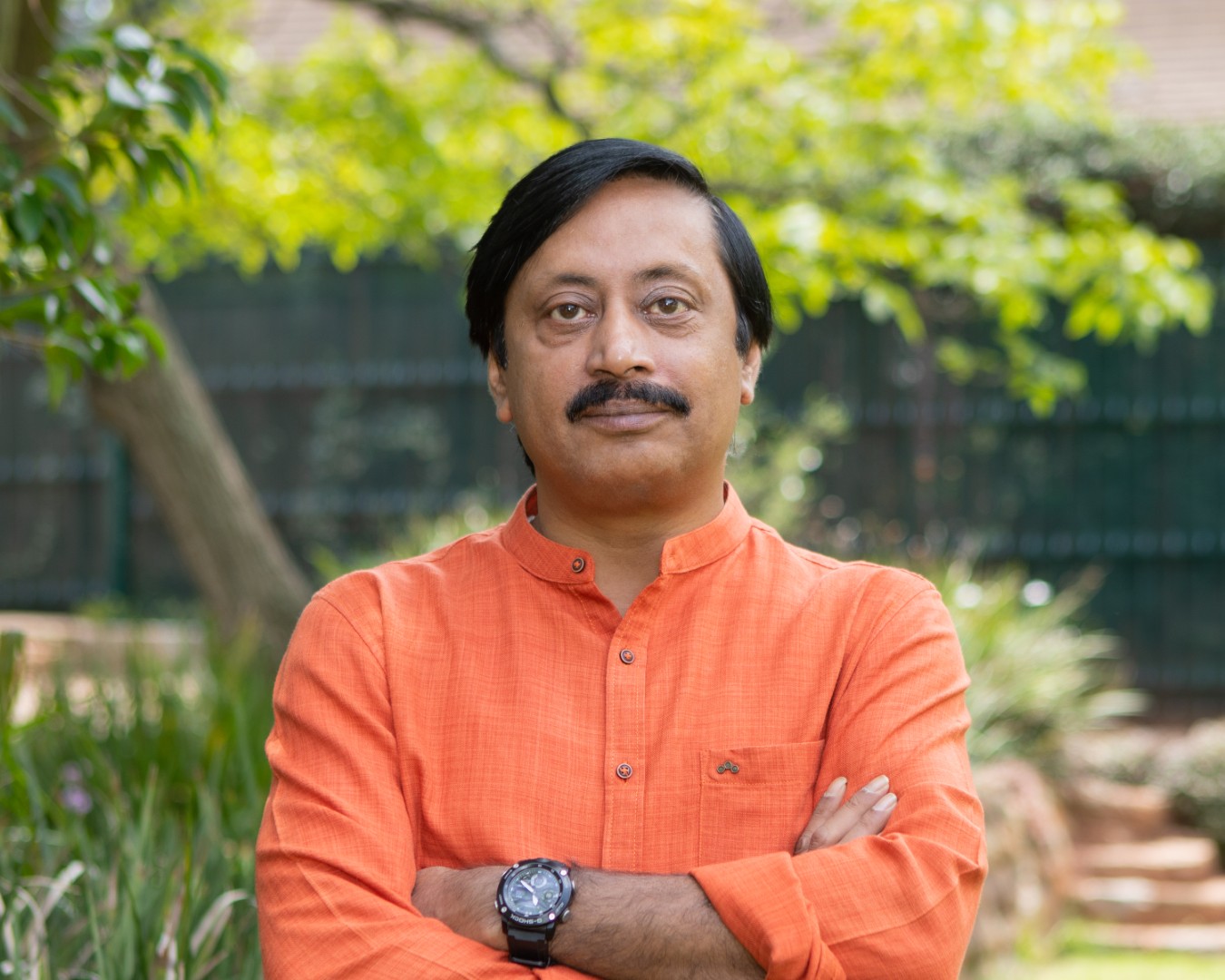
Ananyo Choudhury is a Reader at the Sydney Brenner Institute for Molecular Bioscience, University of Witwatersrand, South Africa. His research focus is to develop a better understanding of the African genetic diversity, population history and how these impact complex traits. Over the last decade he has contributed to several major genomic initiatives, including the African Genome Variation Project, the H3Africa genotyping array design, the Southern African Human Genome Program, and the H3Africa Whole Genome Sequence Study. He currently leads the AGenDA and GAIN - two major pan-African genomic studies . He obtained his basic training in Zoology from the University of Kalyani and a Ph.D. in Bioinformatics from the University of Calcutta, India.
Prof Jelili Oyelade
GCAP: Genome-wide characterization of complex variants and their phenotypic effects in African populations
Genome-wide characterization of complex variants and their phenotypic effects in African populations
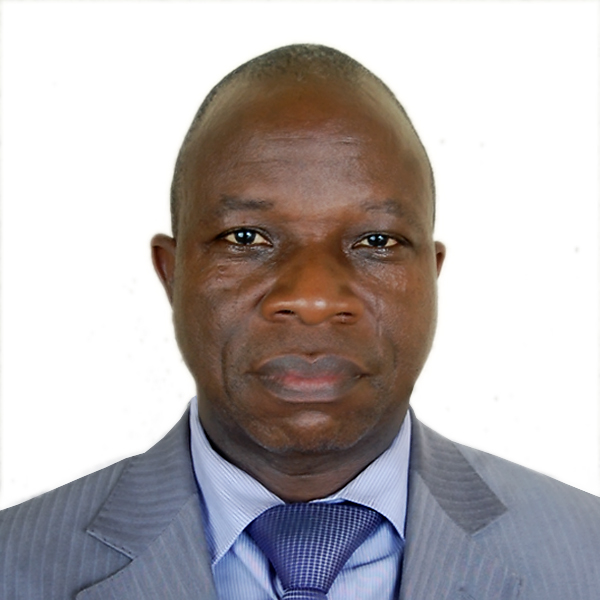
Prof. Jelili O. Oyelade is a Professor of Computer Science and Bioinformatics, Department of Computer and Information Sciences, Covenant University, Ota, Nigeria. A post-doctoral Fellow at Jena State University Hospital, Jena, Germany. He is a leader of the Covenant University Bioinformatics Research Cluster (CUBRe) and Academic Program Coordinator under the Covenant Applied Informatics and Communication Africa Centre of Excellence (CApIC ACE (https://ace.covenantuniversity.edu.ng/) is funded by the World Bank, Covenant University. He was a resource person for H3Abionet, Bioinformatics Training workshop, Covenant University, Nigeria, April 26 - May 21, 2014
Prof Mansoor Saleh
Leveraging artificial intelligence/machine learning-based technology to overcome specialized training and technology barriers for the diagnosis and prognostication of colorectal cancer in Africa
Leveraging artificial intelligence/machine learning-based technology to overcome specialized training and technology barriers for the diagnosis and prognostication of colorectal cancer in Africa
Dr Saleh is the Founding Chair in the Department of Hematology and Oncology and the Founding Director of the Cancer Centre at the Aga Khan University Nairobi. He received his medical degree from University of Heidelberg in Germany and conducted his doctoral research at the Max Planck Institute for Medical Research in Heidelberg. From there, Dr Saleh completed his clinical and translational research training in Hematology and Oncology at the University of Alabama Comprehensive Cancer Centre where he was a tenured Professor of Medicine and Pathology and Director of the First-in-Human Early Drug Development Programme. His area of research and clinical focus is targeted therapy of cancer.