Mr Rogers Mwavu
MUDSReH: MUST Data Science Research Hub
MUST Data Science Research Hub
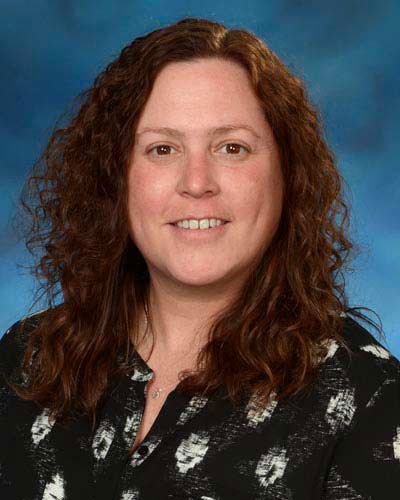
Mwavu Rogers is Bsc.IT, MSc.IS, MSc.HIT, Professional Certificate (Global Health Informatics to Improve Quality of Care)-MIT, Modeling and Optimization for Machine Learning-MIT, Geographic Information Systems (GIS) for Global Health-KIT, Implementation Science for Health data science Projects and PhD Scholar-MUST is an innovative software developer with a diverse skill set and creative drive for software application development. I am proficient at designing and formulating test automation frameworks, writing code in various object-oriented programming languages, and feature development and implementation. I specialize in developing medical solutions that improve access to the quality of healthcare services for underserved populations. I am also adept at collecting, analyzing, and interpreting large datasets and developing new forecasting models in a variety of public and private domains. My research interests involve building large medical databases integrated with data from multiple sources and developing algorithms that predict disease progression or monitor the treatment effect of specific clinical procedures to support clinical research in low-resource settings. My academic training as an information systems developer and a systems analyst and research experience at Mbarara University of Science and Technology has provided me with a background in software application development, including mobile health technology and clinical research. I also have a strong history of teaching and mentorship. As an educator, I work with the Faculty of Computing and Informatics of MUST with a specific interest in Object-oriented programming languages, Artificial Intelligence (AI) and Machine Learning. I am in charge of undergraduate research in the Faculty of Computing and Informatics of MUST and also a member of the software incubations and innovations unit at MUST, where I head an undergraduate and graduate research programming group that develops technology for management, analysis, machine learning, deep learning and sharing of large health informatics, biomedical and environmental datasets. I have done consultancy work with international organizations such as UNFPA (worked as a Software Developer/Consultant in the Getin Project) and am a co-organizer of two International
Dr Kayode Adentunji
MADIVA: Multimorbidity in Africa: Digital innovation, visualisation and application
Multimorbidity in Africa: Digital innovation, visualisation and application
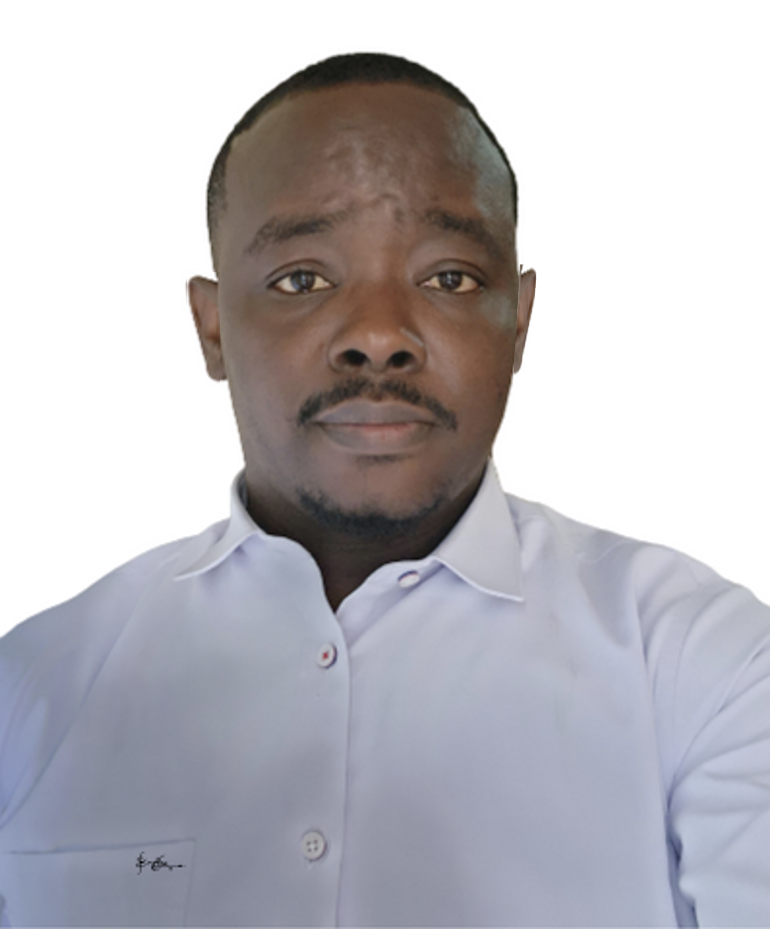
Kayode Adetunji obtained his Master's degree in Electrical Engineering in 2018 from the University of Johannesburg, South Africa, and went on to receive his PhD in 2022 from the School of Electrical and Information Engineering at the University of the Witwatersrand. He focused on enhancing power systems networks by incorporating renewable energy sources, battery systems, and electric vehicles during his studies. To achieve this, he utilized optimization algorithms and machine learning techniques, resulting in several publications in highimpact journals. He has also developed monitoring systems for health- and agriculture-related fields. Kayode worked in the Fast-moving consumer goods industry, repairing electrical drives and microcontrollers of electric forklifts before joining the Department of Electrical Engineering Technology at the University of Johannesburg. He is currently with the MADIVA team at Sydney Brenner Institute for Molecular Bioscience, and his current research interests include intuitive machine learning models, optimization algorithms, decision theory & preference aggregation, multi-objective optimization, intuitive machine learning models, and health-energy nexus.
Prof Chichom Mefire
Data Science Can be Game Changing for Injury Outcomes: Perspectives from D-SINE Africa.
Harnessing Data Science to Promote Equity in Injury and Surgery for Africa
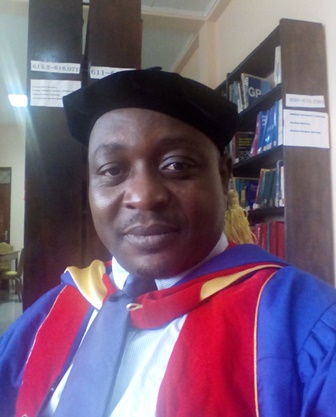
Mefire Alain Chichom is a Professor of General Surgery from the South-West Region of Cameroon in Central and West Africa. He served as the Head of Department of Surgery for 8 years and currently serves as the Vice-Dean in charge of Research and Cooperation at the Faculty of Health Sciences, University of Buea. Professor Chichom-Mefire has oriented his professional and research career towards contributing to reducing the burden of injuries in sub-Saharan African countries, addressing the problem of inequities of access to surgical care and global access to quality surgery and anesthesia. He has authored over 85 scientific articles published in renowned peer-reviewed journals. His research work is focused on improving the care of the injured, standardizing the management of abdominal sepsis, advocating for the fight against antimicrobial resistance and implementing surgery quality improvement programs with specific focus on trauma. Prof. Chichom-Mefire is a member of the International Society of Surgery (ISS-SIC) since 2009. He also serves as the representative for Africa of the International Association of Trauma Surgery and Intensive Care (IATSIC). He is also a member of the Alliance for Surgery and Anaesthesia Presence (ASAP) and a member of the editorial board of the World Journal of Surgery. He is the Co-Director of the Program for the Advancement of Surgical Equity (PASE) based in the University of California, Los Angeles (UCLA). He currently runs two NIH/Fogarty International Center funded research grants under the University of Buea.
Dr Tinashe Chikowore
BCX-Africa: Utilizing data science to evaluate the applicability of blood cell traits polygenic risk scores for disease prediction in Africa
BCX-Africa: Utilizing data science to evaluate the applicability of blood cell traits polygenic risk scores for disease prediction in Africa
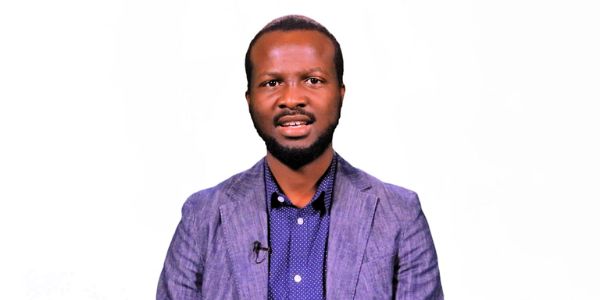
Dr Tinashe Chikowore is an Investigator in the Channing Division of Network Medicine and the Genetics Division at Brigham Woman’s Hospital and an Instructor of Medicine at Harvard Medical School. His research focuses on the application of genetics, Omics, and machine learning to nutrition-based and complex disease research. He is a recipient of a prestigious Wellcome Trust International Training fellowship that focuses on characterizing gene-lifestyle interactions in African populations. Recently, he received the Charles Epstein Excellence in Human Genetics Award from the American Society of Human Genetics for an outstanding abstract submitted and presented during a plenary session.He is the current chairperson of the H3Africa CVD Working group.