Dr Nondumiso Mthiyane
Establishing a findable, accessible, interoperable, and re-usable (FAIR) data resource for adolescent mental health research in Africa
UtiliZing health Information for Meaningful impact in East Africa through Data Science
Biostatistician
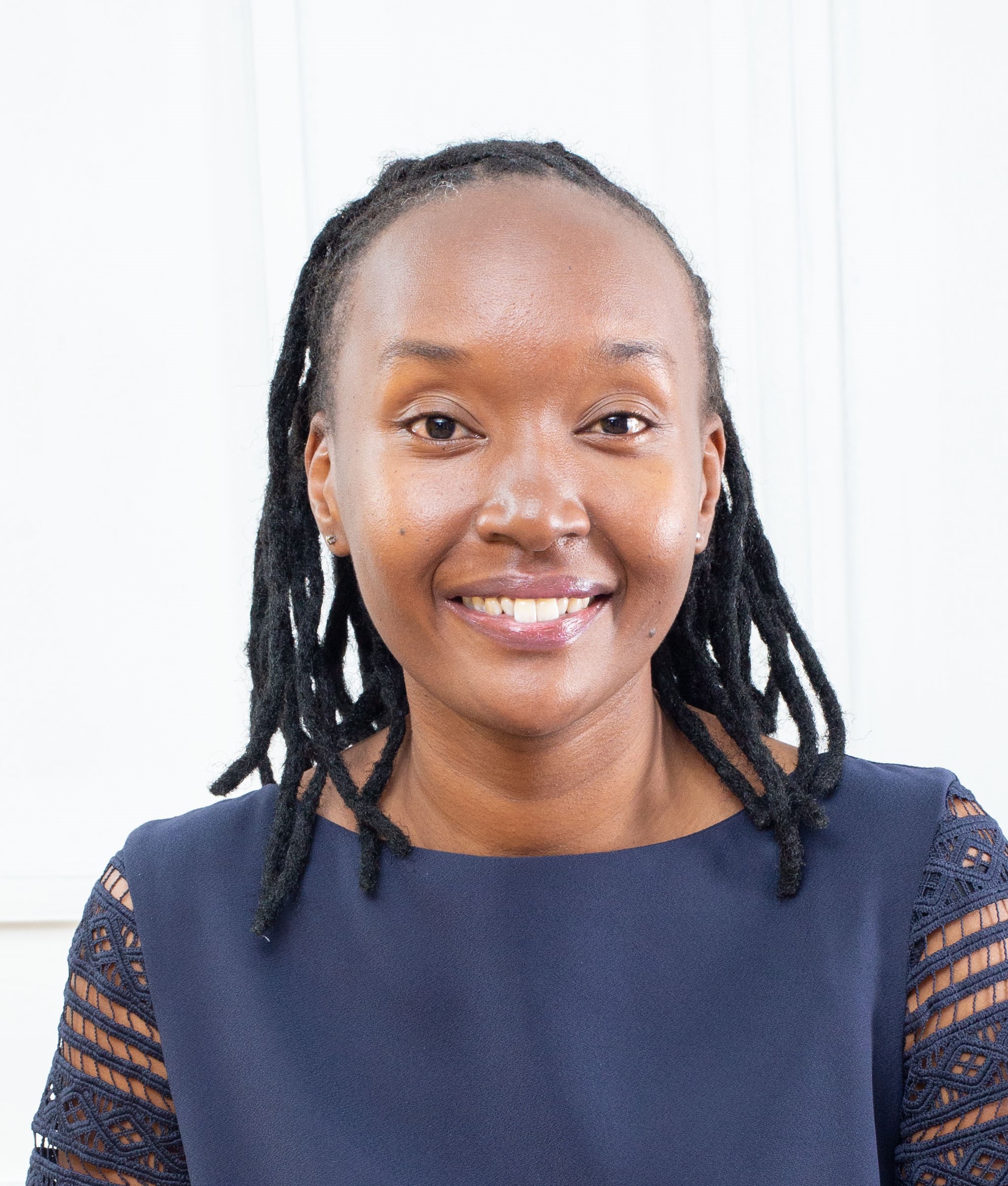
Dr Angela Koech
Performance of late pregnancy biometry for gestational age assessment in normal and small for gestational age babies: A prospective cohort study in rural Kenya.
UtiliZing health Information for Meaningful impact in East Africa through Data Science
Dr. Angela Koech | MBChB,
MSc, MMed (ObsGyn), PhD
Dr. Angela Koech is an
obstetrician scientist and
clinical researcher at the
Centre of Excellence in
Women and Child Health,
Aga Khan University, East
Africa.
Her research focuses on
maternal and newborn
health, with particular
interest in antenatal
ultrasound and data-driven
approaches to pregnancy
assessment. She is a
member of the Maternal,
Newborn and Child Health
(MNCH) group within the
UZIMA Data Science
(UZIMA-DS) project, and an
awardee of a UZIMA-DS
pilot grant for research on
gestational age assessment
using ultrasound-derived
tools. Her work bridges
clinical research and data
science to improve
pregnancy outcomes in low-
resource settings.
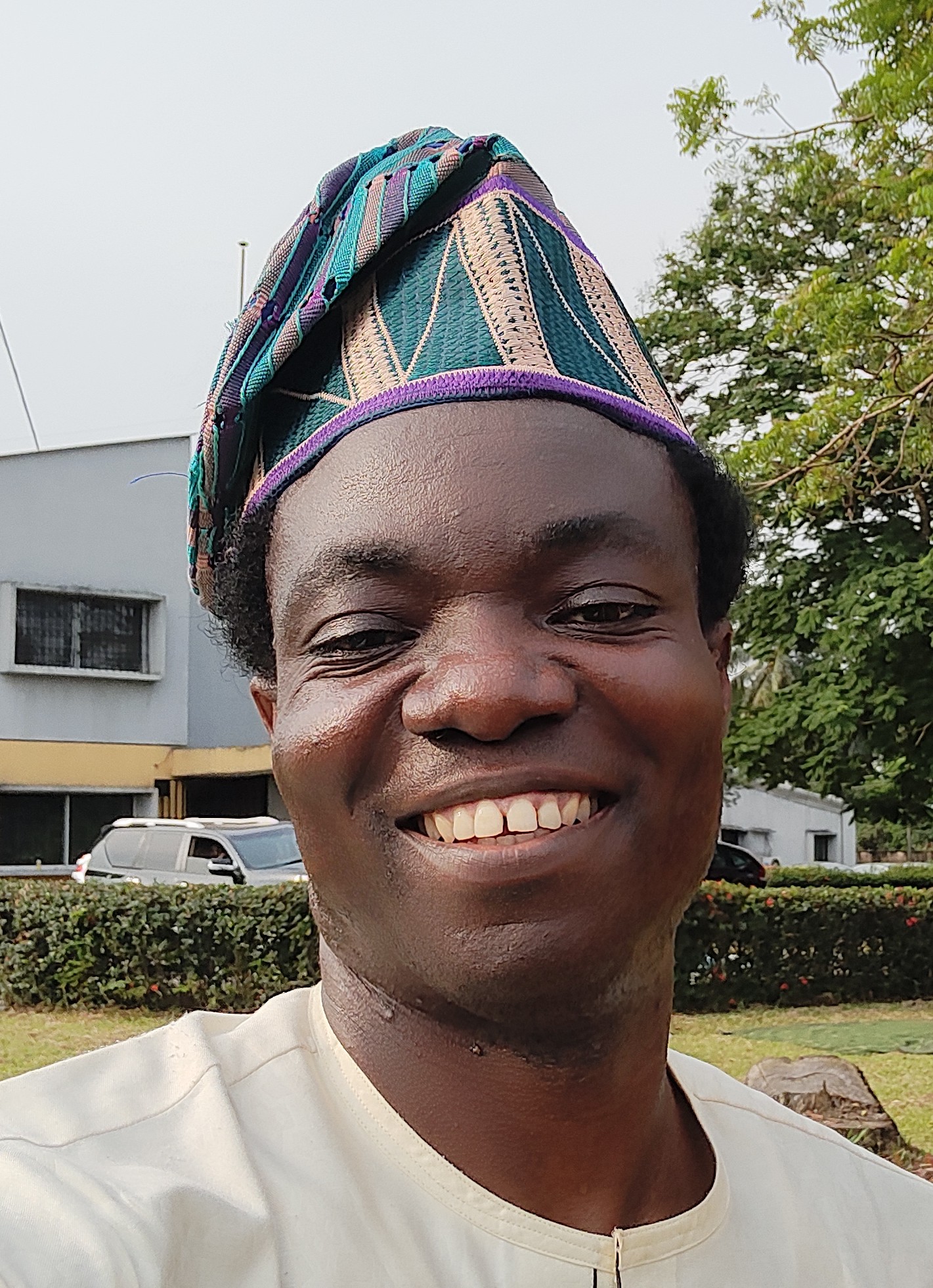
Prof Olanrewaju Lawal
Spatial Intelligence in Public Health: Local-Scale Susceptibility Mapping Using Population-based Survey in Sub-Saharan Africa
Role of Data Streams In Informing Infection Dynamics in Africa- INFORM Africa
Prof. O. LAWAL is an expert in Geocomputation and Integrated Geographic Analysis. He has a wealth of experience using social, economic, and environmental modelling as well as the use of AI and statistical analysis in the development of new insights from data across natural and social systems. He has led teams in the development of a regional and national social vulnerability index, vulnerability to climate change, flood vulnerability modelling, coastal community climate change vulnerability and risk assessment, risk perception modelling, disaster information management systems, etc. He has managed and consulted across some multidisciplinary teams working at the intersection of social and biophysical investigation for sustainable development and resource management. He led a team within the INFORM Africa project, developing place susceptibility indices for countries across sub-Saharan Africa and linking these with health outcomes. He is a fellow of the Royal Geographical Society and a member of the Association of Nigerian Geographers.
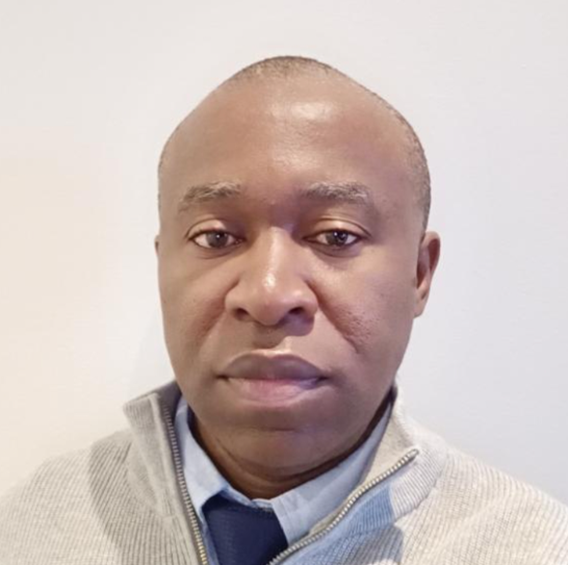
Prof Kennedy Otwombe
Funding Pathways and COVID-19 Pandemic Response: The role of domestic and external funding in shaping Africa's response
Role of Data Streams In Informing Infection Dynamics in Africa- INFORM Africa
Kennedy S.N. Otwombe is a distinguished biostatistician and public health researcher with more than 20 years of experience in clinical trials, epidemiology, and infectious disease research, particularly HIV and TB. He is Associate Professor at the University of the Witwatersrand’s School of Public Health and Lead Biostatistician at the Perinatal HIV Research Unit, Chris Hani Baragwanath Academic Hospital in Soweto, South Africa.
Professor Otwombe specializes in clinical trial design, statistical analysis, and reporting for regulatory agencies and sponsors. He has contributed to major international studies that shaped policy and continues to serve as trial statistician or DSMB member on several ongoing trials. His research integrates conventional statistical methods with artificial intelligence, applying machine learning to improve disease diagnosis and health outcomes across diverse populations.
A dedicated mentor, he has supervised numerous PhD and Master’s students. His academic leadership includes serving on the council of AMREF International University in Nairobi, chairing scientific advisory boards, and acting as editor for leading journals. He also reviews grants for major funders such as the Wellcome Trust and the Gates Foundation.
Professor Otwombe has successfully secured competitive funding, including a data science grant from DSI-Africa INFORM network, underscoring his commitment to advancing biostatistics and public health research across Africa and beyond.
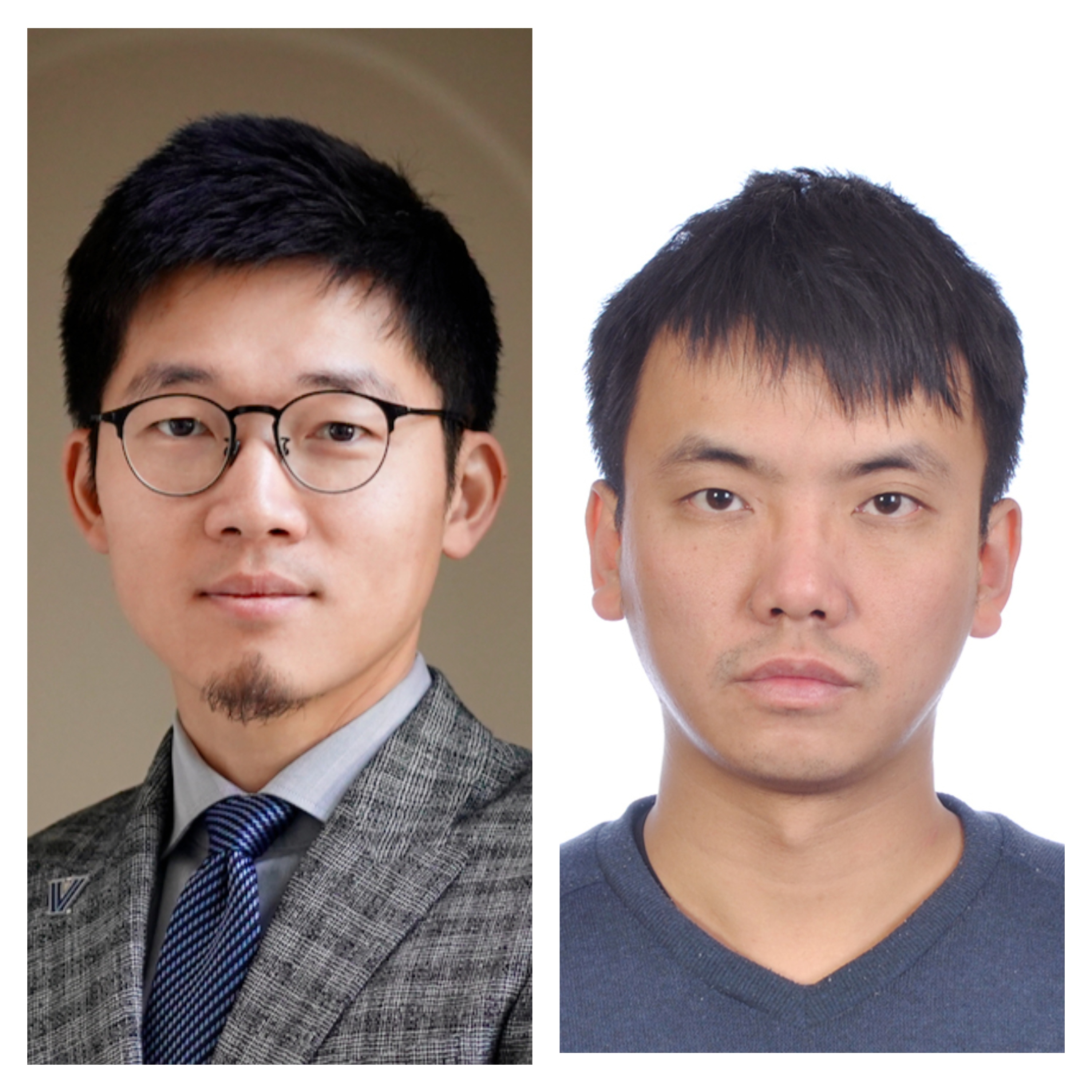
Dr Chenfeng Xiong & Dr Xin (Bruce) Wu
Human Mobility and Infectious Disease Dynamics: Stakeholder Training and Future Modeling Capacity in Africa
Role of Data Streams In Informing Infection Dynamics in Africa- INFORM Africa
Chenfeng Xiong is an Assistant Professor in the Department of Civil and Environmental Engineering at Villanova University. His research focuses on human mobility and transportation systems, with an emphasis on traveler behavior, mobility patterns, safety, public health, and transportation economics. His work integrates engineering, data science, and public policy to better understand and improve modern transportation systems.
Xin (Bruce) Wu is a Research Associate in the Department of Civil and Environmental Engineering at Villanova University. His research specializes in transportation modeling, optimization, and logistics systems, with applications in mobility services, supply chains, and multimodal transportation networks. He develops advanced analytical and computational methods to address complex system-level challenges in transportation and logistics.