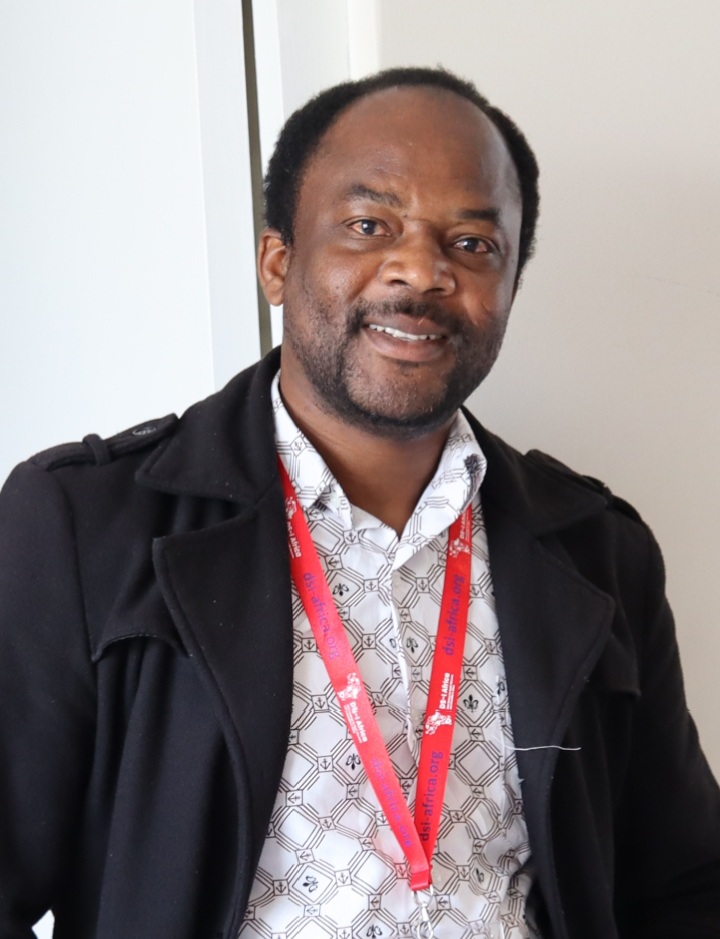
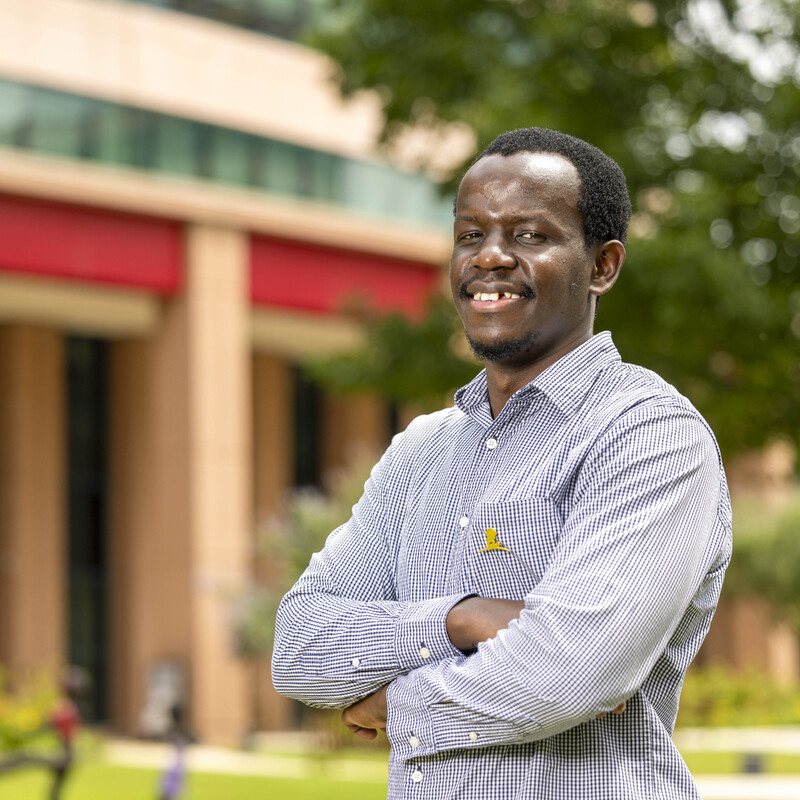
Dr Hafeez Akinniyi
Metagenomic Profiling of Antimicrobial Resistance Genes in Transboundary Cattle Systems in Nigeria.
Combatting AntiMicrobial Resistance in Africa Using Data Science
My research interests are in the molecular and cellular determinants of bacterial virulence, host manipulation and resistance to therapy, with the aim of translating insights into new avenues for disease control.
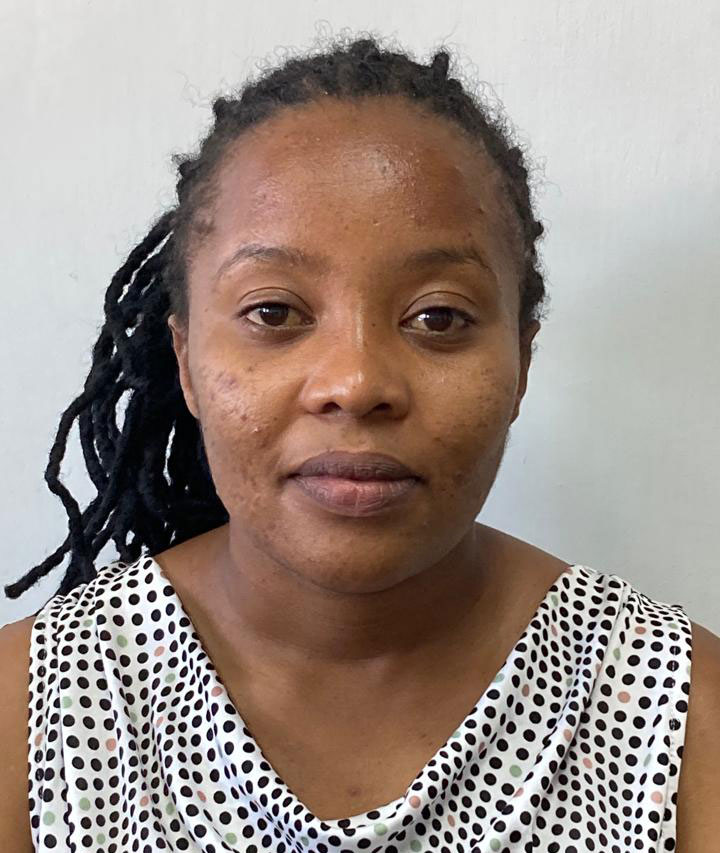
Mr Handsome Bongani Nyoni
Air Pollution Exposure Trajectory Analyzer (APEX-T): A Web Application for Profiling Personal Air Pollution Exposure Trajectories from Low-Cost Sensor Data to Support Health Risk Assessment
CHaracterizing Effects of Air Quality In Maternal, Newborn and Child Health: The CHEAQI-MNCH Research Project
I am a Geospatial Data Scientist with over five years of experience advancing data-driven projects at the nexus of geospatial technologies, environmental analytics, and machine learning. Currently pursuing a PhD in Geomatics with a research focus on characterizing air pollution exposure in Sub-Saharan Africa using proxy indicators in Climate Change Era I integrate satellite remote sensing, ground-based sensors, and high-performance computing to enhance exposure assessment in low-resource settings. My expertise cultivated through successful collaborations on initiatives funded by NHI, PEPFAR, the Global Fund, and USAID spans GIS, remote sensing, drone technologies, and project management across sectors such as public health,Climate Change, and disaster risk reduction. I am committed to open science and the FAIR data principles, actively promoting digital infrastructure and cloud-based analytics to empower African researchers, educators, and policymakers with actionable, spatially explicit insights. By strategically harnessing geospatial and artificial intelligence technologies, my ambition is to catalyze transformative impact both globally and within Zimbabwe, advancing sustainable and resilient research ecosystems that address the continent’s most pressing environmental health challenges.
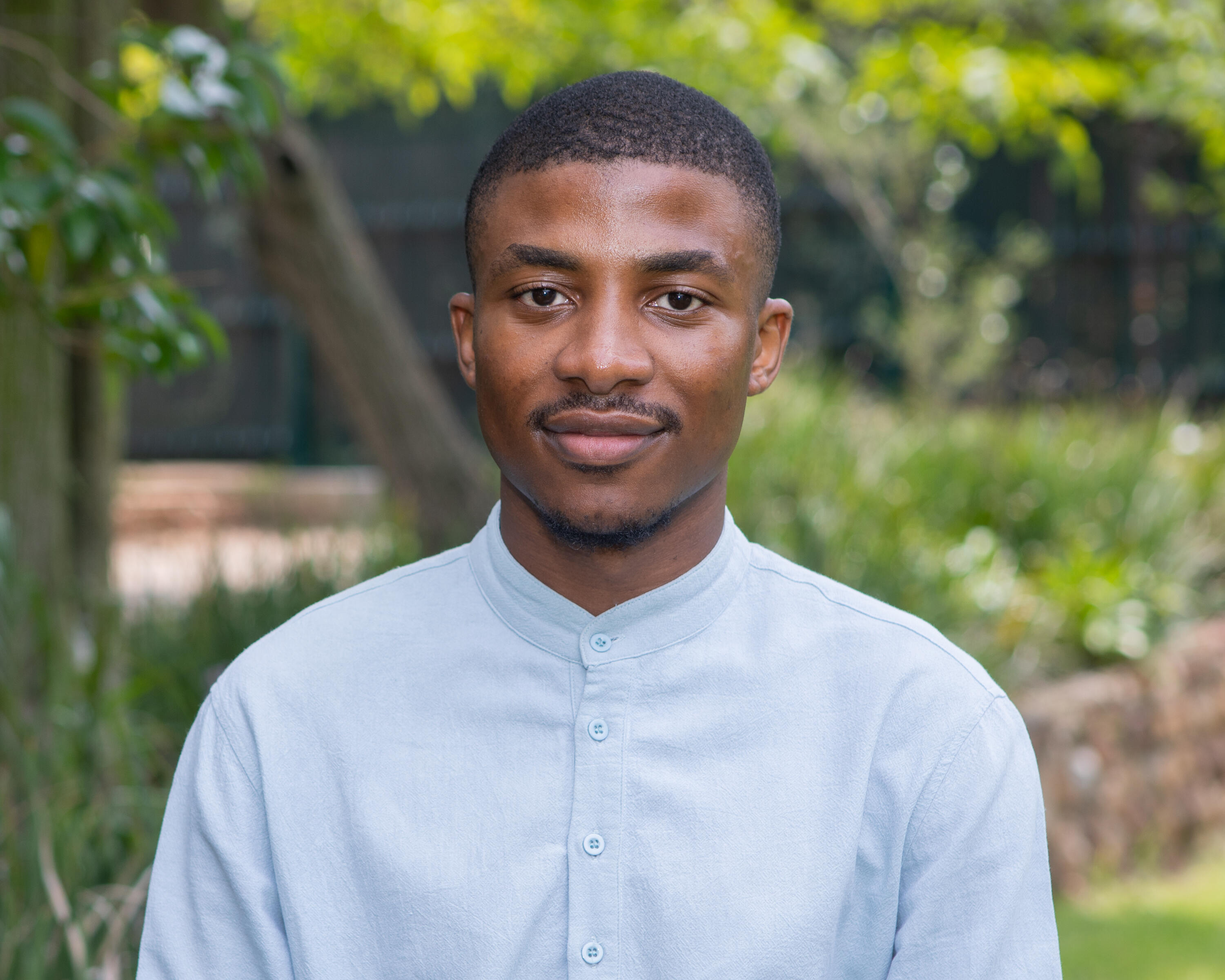
Ms Jacqueline Wahura
Building Data Science Capacity for Health in Africa: Impact of the Eneza Data Science Internship Program
Eneza Data Science: Enhancing Data Science Capability and Tools for Health in East Africa
Jacqueline is a DRIP PhD Scholar in the Human Health theme supervised by Dr Jeremy Herren (icipe). Her PhD thesis is titled ‘Development and implementation of a transformative and sustainable strategy for malaria control in Africa using symbiont-based transmission blocking.’ The project is funded by the Bill & Melinda Gates Foundation. Her project seeks to unravel the mechanistic approaches used by Microsporidia MB (an endosymbiont recently discovered in Kenya) in blocking the transmission of Plasmodium. The findings from her project will be crucial in informing the sustainable Microsporidia MB intensities required in blocking Plasmodium transmission, the mechanisms by which Microsporidia MB blocks Plasmodium transmission and will contribute in developing strategies for scaled-up Microsporidia MB mosquito infection in the field, for effective malaria transmission blocking. Jacqueline’s previous trainings are in the fields of MSc. Molecular Biology and Bioinformatics and BSc. Biochemistry.
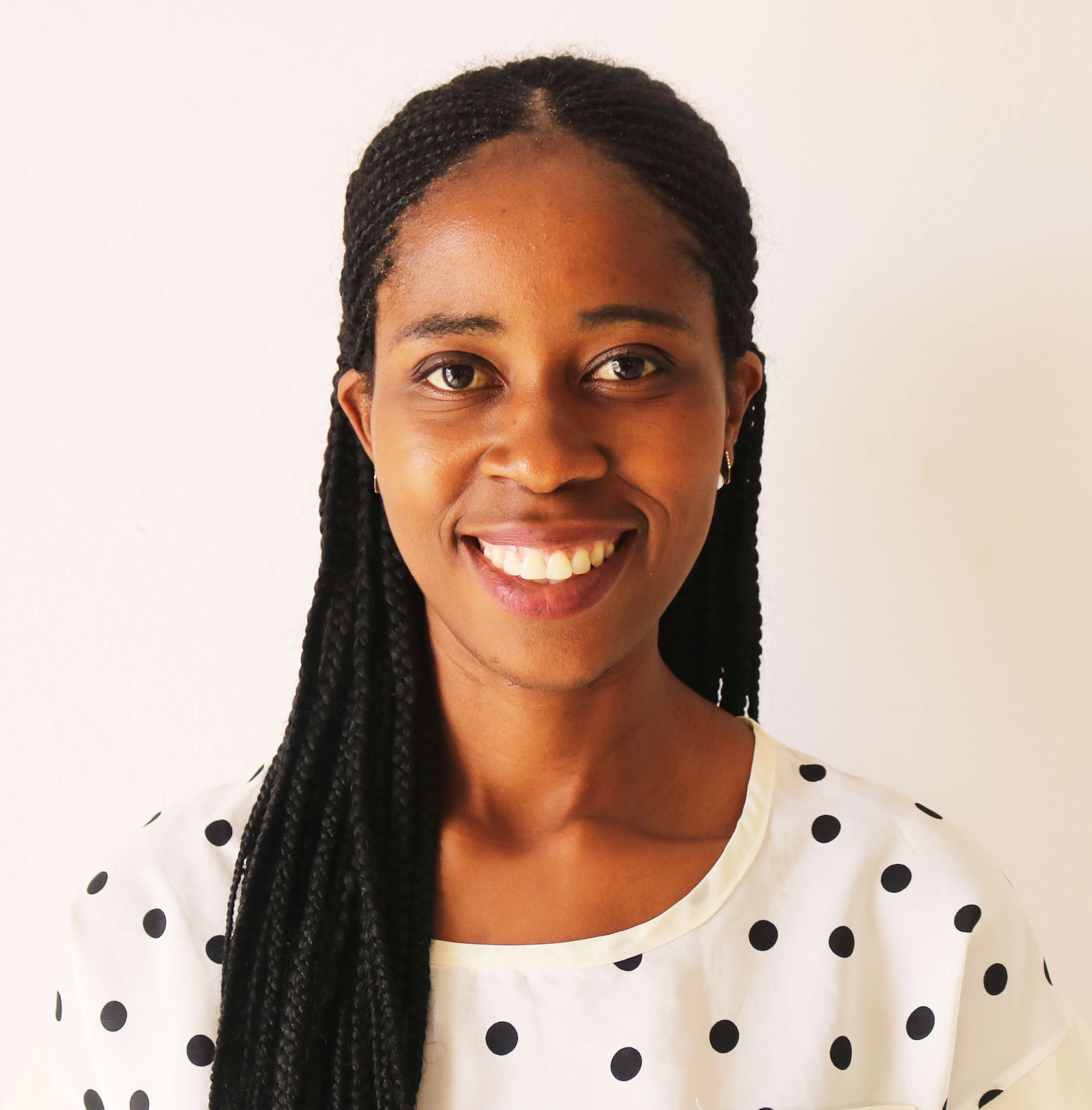
Mr Joel Sabiti
From Convolutional to Transformer Attention: Advancing Paired Dermoscopic Image Translation with Conditional GANs
Computational Omics and Biomedical Informatics Program
Currently immersed in doctoral research at the University of Cape Town, I am at the forefront of applying computer vision techniques to dignose latent tuberculosis.
Mr Keph Makoyi
Identification of novel rare diseases and rare disease genes in the democratic republic of Congo using machine learning and in silico protein structure prediction approaches.
Advancing discovery for developmental disorders - expanded analysis of the DDD-Africa resource
University of Cape Town
Mr Nhlamulo Khoza
Characterising the Shared Genetic Architecture Underlying Cardiometabolic Multimorbidities across Africa Populations
Multimorbidity in Africa: Digital innovation, visualisation and application
Nhlamulo Khoza is a postgraduate student at the Sydney Brenner Institute for Molecular Bioscience (SBIMB), based at the University of the Witwatersrand in Johannesburg, South Africa. He is currently working within the Multimorbidity in Africa: Digital Innovation, Visualisation and Application (MADIVA) Research Hub, Project 2. His doctoral research focuses on developing and evaluating polygenic scores to help predict cardiometabolic diseases, particularly in the context of multimorbidity. His academic interests focus on the intersection of non-communicable diseases, public health, and data science. He is particularly interested in combining genetic and clinical data to improve understanding of health risks and outcomes. Through his work, he seeks to deepen knowledge of the health challenges faced in low- and middle-income settings. Through his involvement with MADIVA, Nhlamulo is gaining experience in applying genomic tools in public health research and working within interdisciplinary teams. He values collaboration, clarity, and the opportunity to learn from both data and the broader health context in which it exists. Outside of research, he is interested in the broader role of science in society and how evidence can inform practical solutions in healthcare.
Dr Nondumiso Mthiyane
Exploring predictors of suicidal ideation among adolescents and young adults aged 13-24 in rural South Africa
UtiliZing health Information for Meaningful impact in East Africa through Data Science
Biostatistician
Dr Odette Dzemo Kibu
Factors Influencing Follow-Up Care Compliance After Trauma in Cameroon: Insights from a Mobile Phone-Based Cohort
Harnessing Data Science to Promote Equity in Injury and Surgery for Africa
Dr. Odette Dzemo Kibu is a Public Health Researcher and an Assistant Lecturer at the Department of Public Health and Hygiene, Faculty of Health Sciences, University of Buea, Cameroon. She is also Postdoctoral Research Fellow under the D-SINE Africa project at the University of Buea. She is also a Biochemist and a Chemical Pathologist. Odette has a strong commitment to scientific research and this has made her a co-author of numerous scientific articles including a book chapter that have been published in both international and national peer review journals. For close to 4 years, she has worked as the Health Policy Analyst.
She has a strong research interest in data science, trauma and injury to improve access for quality and equity health care in Africa especially in Cameroon.